
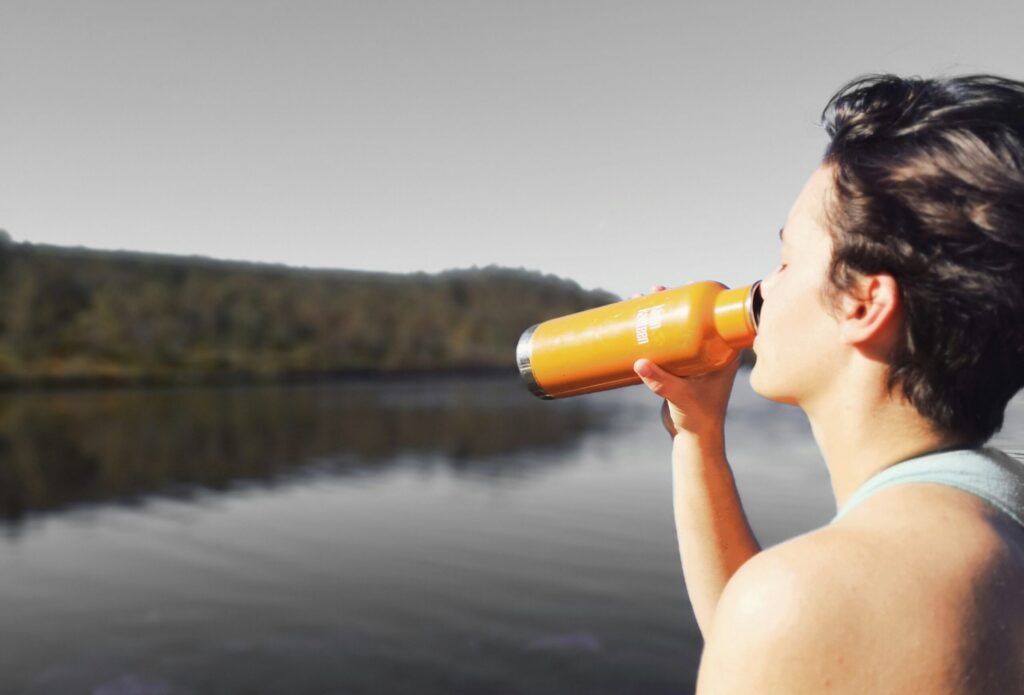
The human body is remarkably bad at monitoring itself under heat stress — not from weakness, but physiology.
As core temperature rises, the brain prioritizes managing the crisis (redirecting blood to the skin for cooling, triggering sweat response, protecting critical organs) over self-awareness. By the time a rider actually feels like they’re overheating, they’ve often been overheating for twenty minutes already. In a Vietnamese cycling context, those twenty minutes can be the difference between a quick cooldown and an ambulance.
The Numbers Worth Knowing
Vietnam’s cycling season runs October through April, and even in the “cooler” months, conditions typically run 28-35°C with 70-90% humidity, which translates to a heat index of 35-42°C. Most cyclists training in temperate climates or air-conditioned gyms have never experienced sustained exertion in conditions like this, and their bodies genuinely don’t know how to respond efficiently yet. Add real climbing — an 11-kilometer sustained ascent, for instance — and the physiological load compounds quickly.
It’s worth knowing that the riders most at risk often aren’t the unfit ones. Strong, fit riders from cold climates are used to pushing hard and don’t have a sense of their own heat limits, since they’ve rarely if ever hit them before, and those limits in Vietnam tend to be considerably lower than expected.
What Guides Watch For
Trained guides are looking for signs of heat stress well before it becomes heat exhaustion, and heat exhaustion before it becomes heat stroke.
Early warning signs: unusual quietness from someone normally talkative (often the first sign, since behavioral changes tend to precede physical ones), sweating notably more than everyone else (counterintuitively a bad sign, meaning the body is working harder than others to cool itself), cadence dropping on flat ground without obvious cause, and repeated, often unconscious touching of the face or temples, usually indicating a developing headache. The response at this stage is generally a low-key stop, water, shade, and 10-15 minutes for passive cooling.
Active heat exhaustion: a deep flush extending down the chest rather than normal exertion redness, a headache the rider actually mentions (which means it’s been building for a while), tingling in the hands or feet from blood redistribution, nausea or a loss of appetite at rest stops, and noticeably unsteady bike handling. This calls for an immediate stop, active cooling with ice water or wet towels, oral rehydration with electrolytes, and the rider not continuing to cycle that day until fully recovered.
Approaching heat stroke, a genuine medical emergency: skin that’s stopped sweating despite earlier heavy sweating (the cooling system has failed), confusion or an altered mental state, an extremely rapid pulse, and loss of coordination. This calls for emergency services, aggressive cooling (ice to the neck, armpits, and groin), continuous monitoring of consciousness, and no fluids if consciousness is impaired.
Why the Intervention Stays Invisible
Good guides generally avoid announcing a concern directly — “I think you’re overheating, let’s stop” tends to create embarrassment or pushback from a rider who insists they’re fine. A more effective approach is creating a plausible, low-key reason to pause: a photo opportunity, a nearby café, a reason to check something on the support vehicle. The stop happens, water gets consumed, shade gets found, and the rider cools down without necessarily realizing they were at any real risk. A subtler version of the same idea is a lead guide quietly slowing the whole group’s pace when one rider shows early signs, so the at-risk rider experiences it as the group’s natural pace rather than an intervention aimed at them specifically.
Rest Stop Protocol
The water breaks every 20-30 kilometers aren’t arbitrary timing — they’re a deliberate part of the heat management system. The support vehicle typically arrives ahead of the group to set up shade and a water station with both plain water and electrolyte drinks. Hydration tends to be actively pushed rather than just offered, and stops generally run a full 15-20 minutes, since a shorter stop doesn’t actually give core temperature time to drop. In extreme heat, above roughly 35°C, rest stops increase to every 15 kilometers, and a shortened daily distance is a reasonable trade for finishing the day safely.
Hai Van Pass Specifically
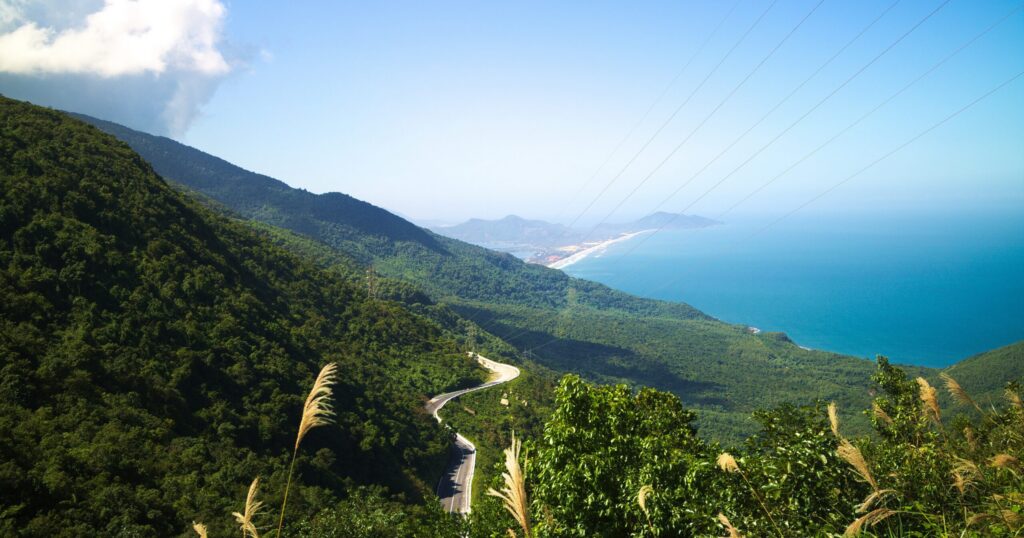
Hai Van concentrates heat risk more than most stretches of road, since it’s an 11-kilometer climb with 500 meters of elevation gain, meaning 45-90 minutes of sustained, relentless effort for most riders, without the natural intensity variation of rolling terrain. The psychological pull of the climb adds to the risk — it’s the iconic moment of a Vietnam cycling trip, and riders who’ve been anticipating it for months are more likely to push through warning signs they’d otherwise heed.
A good operator briefs specifically for this climb the night before: an early start to ride in cooler morning temperatures, scheduled stops at fixed kilometer markers regardless of how anyone feels in the moment, and a clear understanding in advance that taking the van for part of the climb still counts as summiting, with the same view and the same achievement, just from the healthier side of the outcome rather than the back of an ambulance.
What You Can Do
A few things meaningfully reduce personal risk. Pre-tour heat adaptation — even 2-3 weeks of deliberately training in heat before the trip if you’re coming from a cool climate — genuinely helps, since the body’s cooling response is trainable rather than fixed. Drinking ahead of thirst matters more than people expect, since thirst is a lagging indicator and by the time it shows up, dehydration has already started; aiming for 750ml-1L per hour, even when it doesn’t feel necessary, is the right target. Electrolytes matter as much as plain water, since heavy sweating depletes sodium that water alone won’t replace. And trusting your guides when they suggest a stop or the van is worth taking seriously — they’ve seen far more riders in these conditions than any individual rider has experienced themselves, and their judgment in the moment is generally better calibrated than a rider’s own sense of how they’re doing.
Wrapping Up
Good heat management has no dramatic moment attached to it. It looks like a guide noticing someone’s gone quiet, an “unplanned” rest stop, a pace that slows without anyone announcing why. The best-run tours have low rates of serious heat incidents not because Vietnam isn’t hot, but because the small interventions happen early enough that they prevent the big ones. Most riders never experience these moments as medical management at all — they just remember a nice break in the shade with good coffee and a great view, which is exactly the intended outcome.
