Here’s an uncomfortable truth about tourism: it can help or harm, and the difference often depends on choices that seem trivial in the moment.
The souvenir you buy. The restaurant you choose. The tip you leave or don’t. The way you interact with local people. These small decisions aggregate into something much larger—an economic force that either empowers Vietnamese communities or extracts from them.
Cycling tourism, done well, is among the most beneficial forms of travel. You move slowly through communities, spend money in places buses don’t stop, interact with people cars don’t see. The potential for positive impact is high.
But potential isn’t automatic. It requires intention.
This piece is about how to be a tourist who leaves Vietnam better than you found it—not through grand gestures, but through accumulated small ones.
Understanding the Economics
Where Your Money Actually Goes
When you pay for a cycling tour, that money flows through a chain:
Tour operator (international or local) takes a percentage for booking, marketing, coordination, and profit. This might be 20-40% of your tour cost.
Local operator (if different from booking company) receives payment for on-ground services. They pay for staff, equipment, vehicles.
Hotels and guesthouses receive payment for accommodation. Depending on the property, this money stays local or flows to distant investors.
Restaurants receive payment for meals. Again, local ownership matters for local benefit.
Guides and staff receive wages. This is direct benefit to Vietnamese families.
The key variable is “leakage”—how much money leaves the local economy. A tour booked through a multinational company, staying in international chain hotels, eating at tourist-focused restaurants has high leakage. A tour with a Vietnamese operator, using family-owned guesthouses and local restaurants, keeps far more money in community.
The Choices You Control
Much of this is determined before you arrive—by which operator you book. But you still control significant spending:
Meals not included in your tour (usually several dinners, some lunches). Drinks and snacks throughout the day. Souvenirs and shopping. Optional activities. Tips for guides, drivers, and service staff. Personal services (massage, laundry, etc.).
This “discretionary spend” might be $200-500 over a two-week tour. Where it goes matters.
Choosing Your Operator Responsibly
Before you even book, you make your biggest impact decision.
Questions to Ask
“Are you Vietnamese-owned, or do you partner with Vietnamese operators?” Neither is automatically better, but understanding the structure helps you evaluate where money flows.
“How do you select hotels and restaurants?” Look for answers that mention local ownership, community relationships, fair wages—not just “nice” or “convenient.”
“What do you pay your guides?” This might feel awkward to ask, but operators proud of fair wages will answer readily. Those who deflect may be paying poorly.
“Do you have any community or environmental initiatives?” Not a requirement, but operators who think about impact often do more than operators who don’t.
Qué buscar
Vietnamese staff in leadership, not just guiding: If all the managers are expats and all the guides are Vietnamese, the structure may be extractive.
Long-term guide relationships: Operators who keep guides for years (not seasonal churn) are likely treating them well.
Homestays and family guesthouses: These put money directly into family hands, not corporate coffers.
Local restaurant choices: Operators who use family restaurants over tourist-oriented chains are prioritizing community over convenience.
Supporting Local Businesses on the Ground
Where to Eat (When You Have a Choice)
Your tour includes most meals, but you’ll have free meals—usually dinners in larger towns, sometimes lunches on rest days.
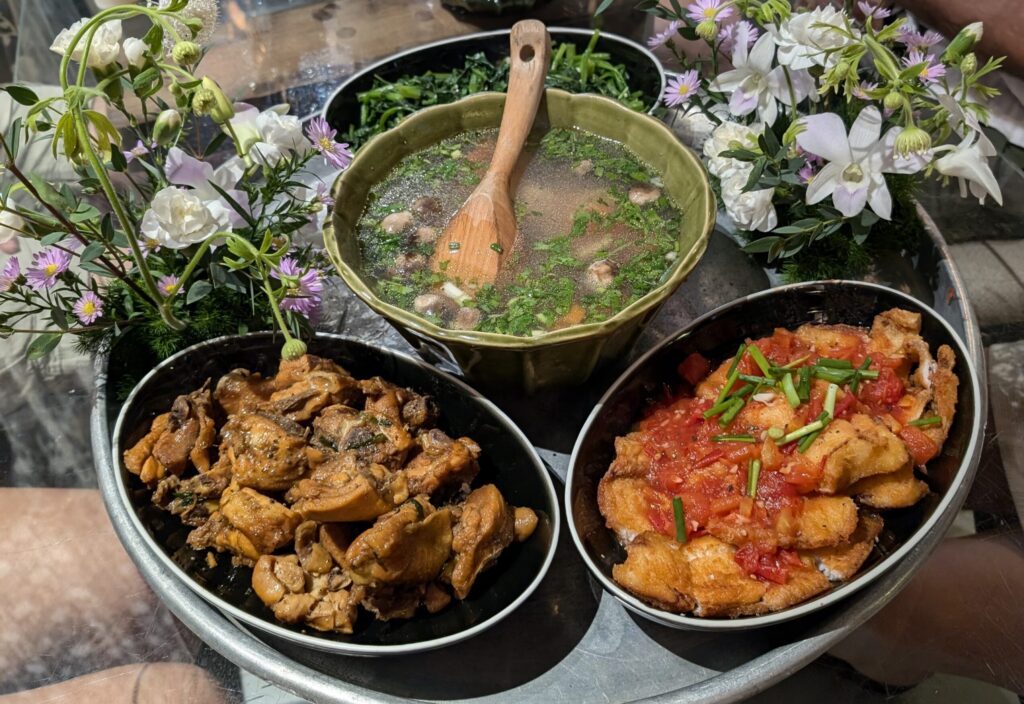
Choose local over international. The pho shop run by a grandmother beats the Western-style restaurant catering to tourists. Yes, the menu is harder to navigate. That’s part of it.
Ask your guide for recommendations. They know which places are family-owned, which serve good food, which treat staff well. Their recommendations are usually better and more ethical than TripAdvisor’s top picks.
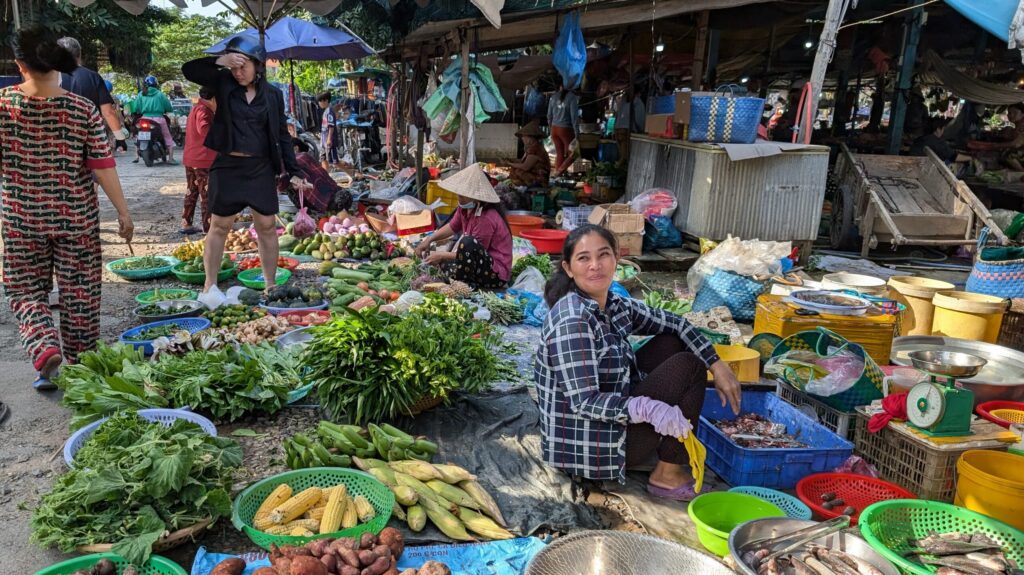
Street food is legitimate. The banh mi cart or the woman selling bun cha from her front room—these are micro-businesses supporting families. Your purchase matters more to them than to a restaurant.
What to Buy (And What Not To)
Souvenirs range from meaningful to meaningless, from ethical to harmful.
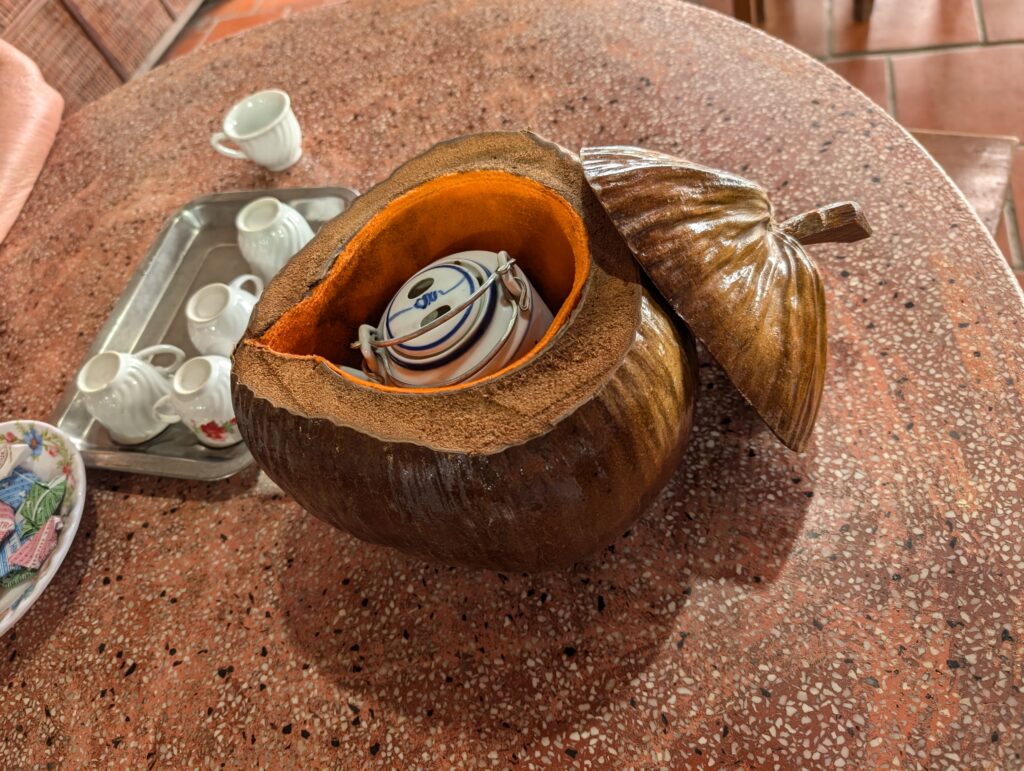
Buy from artisans, not retailers. The woman weaving at the loom gets more benefit from your purchase than the gift shop selling mass-produced versions of her work. Craft villages, markets, and roadside workshops are better sources than airport shops.
Don’t over-bargain. Yes, negotiating is expected. But there’s a difference between not being taken advantage of and grinding a vendor down to minimal profit. The extra dollar means more to them than to you.
Avoid wildlife products. Ivory, turtle shell, certain traditional medicines—demand drives poaching. Don’t contribute.
Consider impact over object. A cooking class that supports a family may be a better “souvenir” than a lacquerware box. Experiences often benefit communities more than objects.
Tipping: Direct Economic Impact
Tips are one of the most direct ways to put money in Vietnamese pockets. They matter more than you might think.
Your guides: A meaningful tip for a lead guide might be $5-10/day; $3-5/day for support staff. On a two-week tour, this adds up to $70-140 for your lead guide—potentially a significant percentage of their tour income.
Homestay families: 200,000-300,000 VND ($8-12) per night is generous but appropriate. Give directly to the family, not through the tour operator.
Restaurant staff: Tipping isn’t expected at local restaurants, but leaving 20,000-50,000 VND ($1-2) is noticed and appreciated.
Service workers: Hotel staff, massage therapists, anyone who provides personal service—small tips accumulate into meaningful income.
Beyond Money: Respect as Support
Economic support matters, but so does how you show up as a visitor.
Learn and Use Vietnamese
Even a few words show respect:
Xin chào (sin chow) — Hello Cảm ơn (gahm un) — Thank you Xin lỗi (sin loy) — Excuse me/Sorry Ngon quá (ngon qua) — Delicious
You’ll mispronounce everything. Vietnamese people will appreciate the attempt anyway. It signals that you see them as people worth communicating with, not props in your adventure.
Photography Ethics
Your camera can be respectful or extractive.
Ask permission. Not every photo needs verbal consent, but portraits should be requested. A smile and raised camera with questioning eyebrows usually communicates. Respect “no.”
Avoid poverty tourism. Photographing people in difficult circumstances for shock value or “authenticity” is exploitation, not documentation.
Share when appropriate. If you photograph someone and can show them the image, do. If you can send them a copy (via guide or email), even better. They become participant rather than subject.
Cultural Humility
You are a visitor in someone else’s home. This frames everything.
Don’t compare unfavorably. “In my country, we…” rarely lands well. Different isn’t worse. Don’t assume understanding. Vietnamese culture is complex. What looks strange to you has reasons you may not grasp. Don’t correct or advise. Your two weeks don’t give you authority to tell Vietnamese people how things should work. Do listen. Do ask questions from genuine curiosity. Do admit when you don’t understand.
Giving Back: Opportunities and Cautions
Many visitors want to “give back” beyond their tourist spending. This impulse is generous but requires care.
What Works
Donating through established organizations: If you want to support education, healthcare, or community development, donate to organizations with track records. Your guide or operator may have recommendations for legitimate local charities.
Supporting social enterprises: Some shops and restaurants operate as social enterprises—training disadvantaged youth, employing people with disabilities, funding community projects. These combine commerce with impact.
Meaningful volunteering (with caveats): If you have genuine skills—medical, engineering, teaching—and significant time, legitimate volunteer opportunities exist. Short-term “voluntourism” is more complicated.
What Doesn’t Work (Or Harms)
Giving money to begging children: This creates incentives that keep children on streets instead of in schools. If you want to help, donate to organizations supporting children’s education.
Orphanage visits: Many “orphanages” in tourist areas are businesses that recruit children from families to attract donations. This causes real harm. Don’t visit orphanages as a tourist activity.
Short-term volunteering without skills: Spending a day “helping” at a school or project often serves the volunteer’s need to feel good more than the community’s actual needs. If locals could do the work, let them—it’s their economy, their jobs.
Bringing supplies to donate: The pencils and notebooks you bring take business from local shops. If you want supplies to reach children, donate money and let local organizations purchase locally.
After You Go Home
Your impact doesn’t end when you leave.
Write Thoughtful Reviews
Your reviews influence where other tourists spend money. Thoughtful reviews that mention local businesses, guides by name, and ethical practices direct future visitors toward positive-impact choices.
Share Responsibly
How you talk about Vietnam shapes how others see it. Avoid exoticizing, poverty-focusing, or reducing a complex country to stereotypes. Share the humanity you encountered, not just the scenery.
Stay Connected
If you formed real connections—with guides, homestay families, people you met—maintain them. Send photos you promised. Follow up on conversations. The relationship continues beyond the transaction.
Return (or Send Someone Else)
Sustainable tourism requires tourists. Your return visit—or your recommendation to friends—supports the Vietnamese people who made your trip meaningful. This is the long game: not a one-time extraction but an ongoing relationship.
The Ambassador Mindset
A tourist consumes. An ambassador contributes.
The distinction isn’t about grand gestures. It’s about a thousand small choices that acknowledge: this isn’t just a destination, it’s someone’s home. These aren’t service providers, they’re people. This isn’t an experience to consume, it’s a relationship to honor.
You can cycle through Vietnam as a tourist, extracting experiences and leaving nothing but tire tracks.
Or you can cycle through as an ambassador—for your country, for cycling tourism, for the possibility that travel can make the world better rather than just more visited.
The choice is made in moments: which restaurant, which tip, which photo, which words. Each one is small. Together, they’re your legacy in a place that trusted you with its beauty.
Be worth that trust.
