
What We Tell Riders to Do Before They Show Up

We give this guide to every rider who books a Vietnam cycling tour with us, whether they’re training 16 weeks out or signing up with four weeks left. It covers route-specific demands, heat acclimatization, nutrition, equipment break-in, and what to do mentally on the harder days, all built from what’s actually worked for past riders rather than generic cycling advice.
The Feedback Loop: How Past Riders Shape Your Future Tour
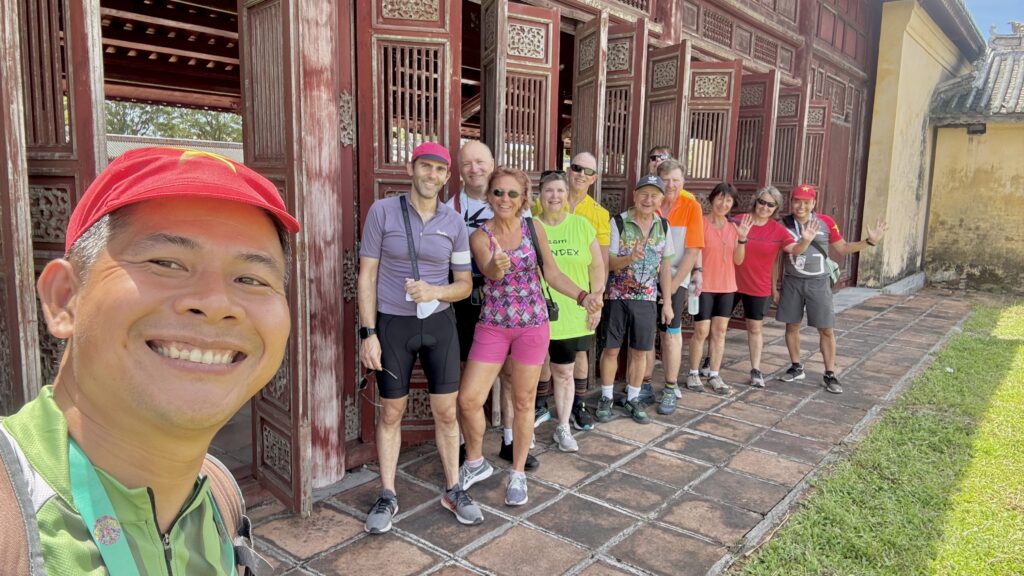
Somewhere around kilometer 45 of your Vietnam cycling tour, you’ll stop at a restaurant you’ve never heard of in a town you can’t pronounce. The food will be perfect—exactly what you needed, exactly when you needed it. The bathroom will be clean. The staff will know you’re coming and have cold drinks waiting.
You might think this is luck, or good guidebook research, or your tour operator’s natural brilliance.
It’s not. It’s Sarah from Colorado, who rode this route eighteen months ago and mentioned in her feedback survey that the original lunch stop had terrible bathrooms and slow service. It’s the couple from London who noted that the portion sizes were too small for hungry cyclists. It’s the solo rider from Australia who suggested the restaurant across the street, which he’d wandered into on a rest day.
How to Choose a Vietnam Cycling Tour Operator
The Complete Evaluation Guide: What to Look For, What to Avoid, and How to Pick the Right Fit. Your tour operator shapes nearly every part of your Vietnam cycling trip. This guide covers how to choose well.
Why We Wrote Down Every Step of Our Tours, and Why We’re Giving It Away

Standard Operating Procedures matter on a cycling tour because so much of what keeps people safe and the trip running well happens in the gap between “guide makes a judgment call” and “guide follows a tested process.” Heat exhaustion, a mechanical failure, a busy intersection: these go better when the response is rehearsed rather than improvised in the moment. We’re sharing it because transparency is part of how we want to earn trust. Consider it free to copy, adapt, and put into practice.
The 2-Hour Bike Inspection You Never See

The bike looked fine.
It was a Trek FX 3, two years old, maybe 8,000 kilometers on the odometer. Clean frame, fresh bar tape, tires with plenty of tread. If you’d walked into a bike shop and seen it on the floor, you’d have called it a quality used bike in good condition.
Thang, the head mechanic at a leading Vietnam tour operator, had been inspecting it for forty-five minutes. He wasn’t satisfied.
“Here,” he said, pointing to the rear derailleur hanger—a small metal tab that connects the derailleur to the frame. “You see?”
I didn’t see anything. It looked like metal.
He pulled out a magnifying glass. Under magnification, a hairline crack was visible, running about 8 millimeters along the hanger’s surface.
The Stories We’re Trained to Tell: How Guides Bring Vietnam to Life
At kilometer 32, approaching a weathered stone bridge over a narrow stream, your guide slows the group and begins to speak.
“This bridge was built in 1847 by a merchant who lost his wife crossing the river during monsoon. He spent his fortune constructing it so no other family would suffer the same loss. The village still celebrates his memorial day each spring.”
You look at the bridge differently now. It’s not just old stone. It’s love made permanent. Grief transformed into service. A story you’ll remember when the specific kilometers blur together.
Why Your Guide Wakes Up at 6 AM (And 12 Other Things Happening Behind the Scenes)

Your alarm goes off at 7:00 AM. You stumble to the hotel breakfast buffet, fill a plate with fruit and eggs, drink coffee that’s stronger than you expected.
Your guide is already there, smiling, chatting with other riders, seemingly as fresh as the morning. You assume they’re a morning person.
They’re not. They’ve already been working for an hour.
The best cycling tours feel effortless—like everything just works. Bikes are ready. Routes are clear. Problems get solved before you notice them. This isn’t luck. It’s choreography. And most of it happens while you’re still sleeping, eating, or gazing at the view.
The Art of Pace Management: How Good Guides Keep Groups Together Without Holding Anyone Back
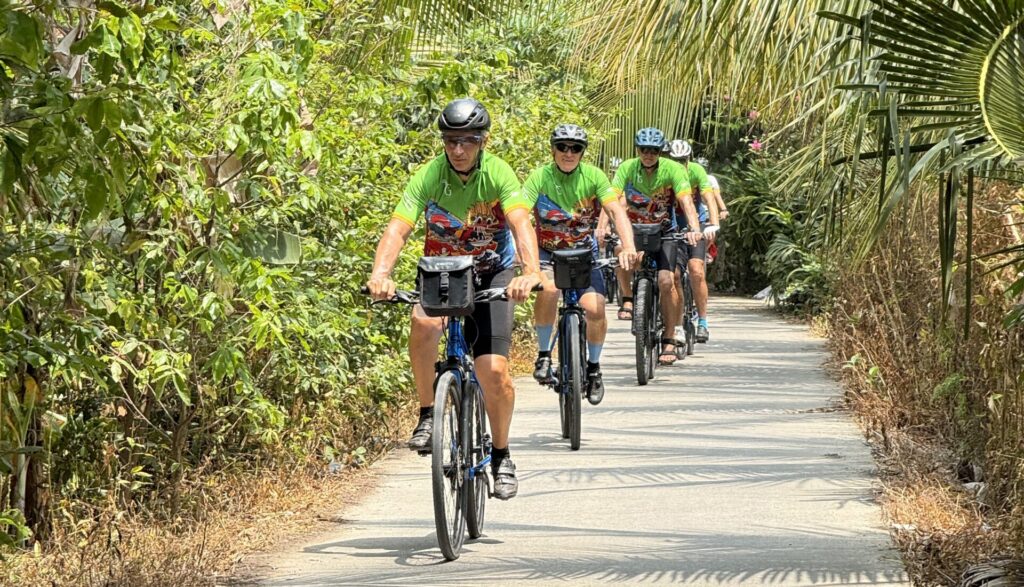
On day three of a Vietnam cycling tour, I watched a guide perform a small miracle.
The group had a problem. A 42-year-old investment banker from Singapore—let’s call him David—was significantly faster than everyone else. A 67-year-old retired teacher from Canada—let’s call her Margaret—was significantly slower. The gap between them on any given climb was growing to 15-20 minutes.
David was getting bored waiting at rest stops. Margaret was feeling guilty for “holding everyone up.” The middle of the group was caught in an awkward limbo, unsure whether to push ahead or hang back. The tour was fracturing.
What Happens Before You Arrive: The 60-Day Countdown to Your Vietnam Cycling Tour
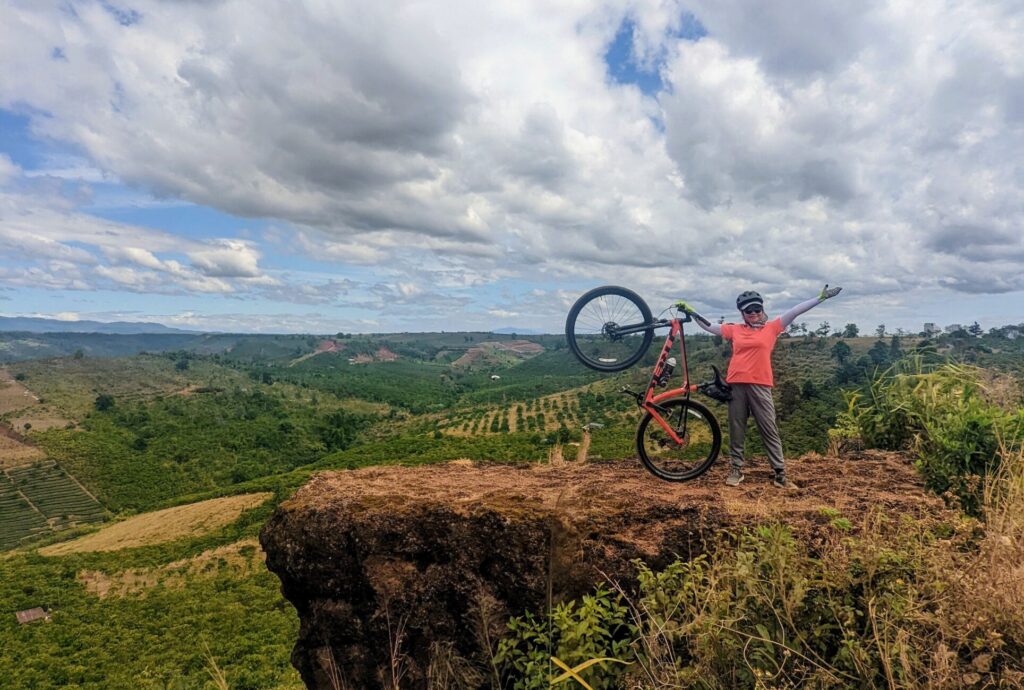
You land in Hanoi at 6 AM, bleary-eyed and buzzing with nervous energy. By 9 AM, you’re sitting on a perfectly fitted bicycle. By 10 AM, you’re navigating through a river of motorbikes, somehow not dying. By noon, you’re climbing through rice terraces so beautiful they make your chest hurt.
It feels like magic. Like the bike just appeared. Like the route just materialized. Like someone waved a wand and suddenly everything just works.
What Your Vietnamese Guide Wants You to Know (But Might Be Too Polite to Say)
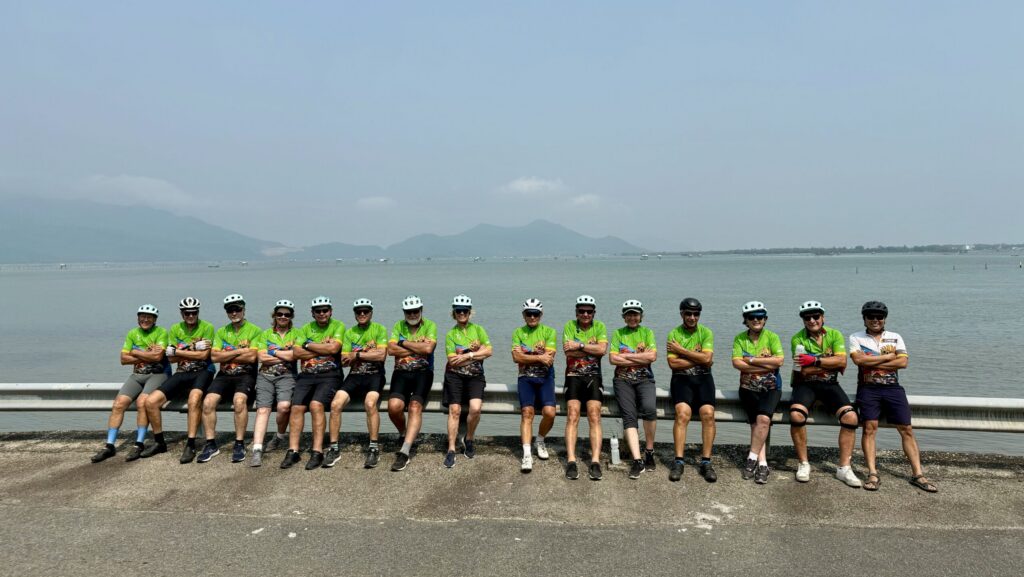
Vietnamese culture prizes harmony. Conflict is avoided. Embarrassment is prevented. Saying “no” directly feels rude. Correcting a guest feels ruder.
This creates a problem for tourists: you may be doing something awkward, off-putting, or even offensive, and no one will tell you. Your guide will smile. Your hosts will accommodate. The discomfort stays hidden beneath impeccable hospitality.