
Why We Wrote Down Every Step of Our Tours, and Why We’re Giving It Away

Standard Operating Procedures matter on a cycling tour because so much of what keeps people safe and the trip running well happens in the gap between “guide makes a judgment call” and “guide follows a tested process.” Heat exhaustion, a mechanical failure, a busy intersection: these go better when the response is rehearsed rather than improvised in the moment. We’re sharing it because transparency is part of how we want to earn trust. Consider it free to copy, adapt, and put into practice.
The Art of Pace Management: How Good Guides Keep Groups Together Without Holding Anyone Back
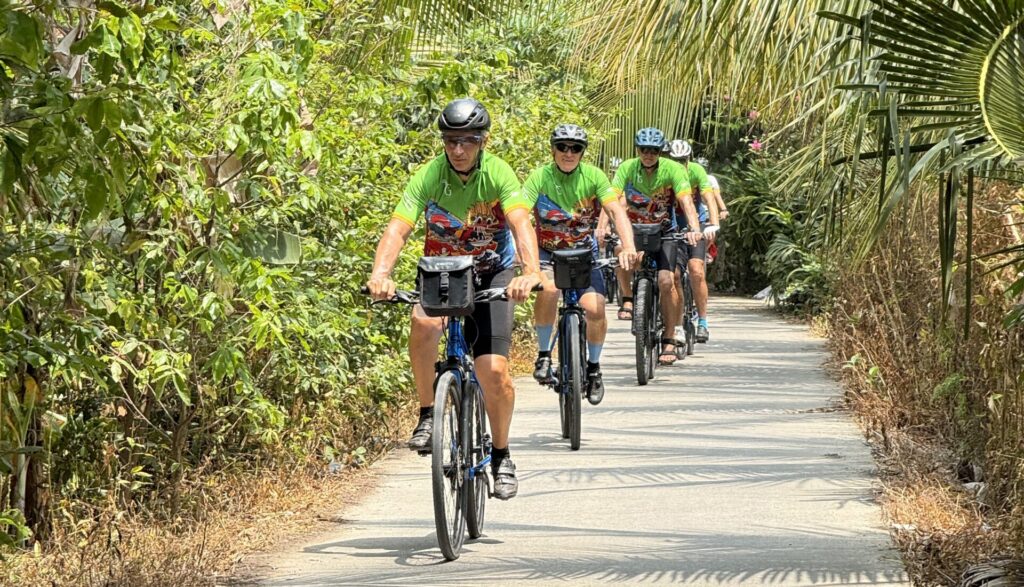
On day three of a Vietnam cycling tour, I watched a guide perform a small miracle.
The group had a problem. A 42-year-old investment banker from Singapore—let’s call him David—was significantly faster than everyone else. A 67-year-old retired teacher from Canada—let’s call her Margaret—was significantly slower. The gap between them on any given climb was growing to 15-20 minutes.
David was getting bored waiting at rest stops. Margaret was feeling guilty for “holding everyone up.” The middle of the group was caught in an awkward limbo, unsure whether to push ahead or hang back. The tour was fracturing.
What’s in the Support Van? A Complete Inventory
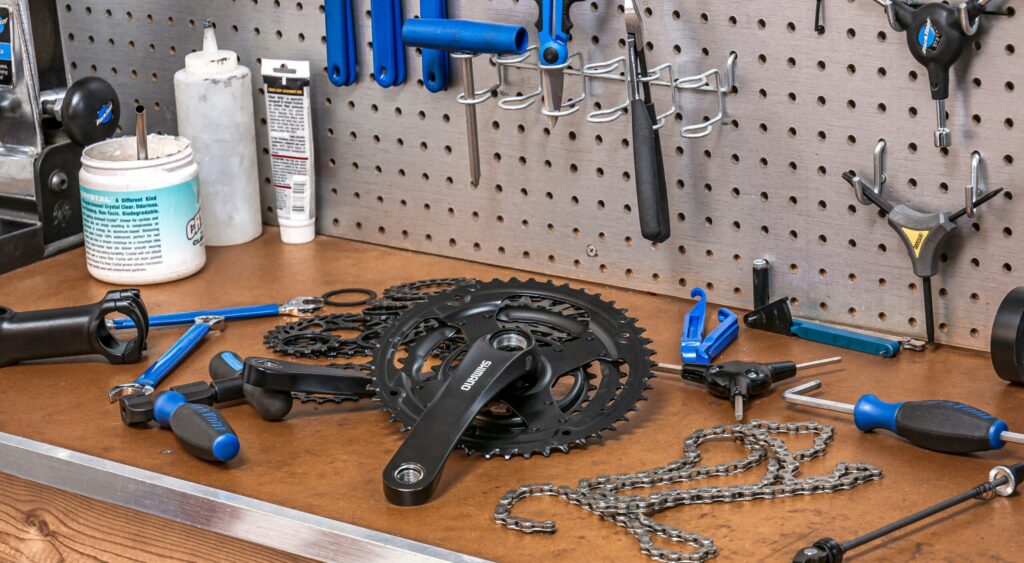
For most of your Vietnam cycling tour, the support van is a background presence. It’s somewhere behind you, hazard lights blinking, carrying your luggage and occasionally appearing at rest stops with cold water.
You probably don’t think much about it. That’s by design.
But that van is, in many ways, the most important vehicle on the tour. It’s a mobile repair shop, a climate-controlled recovery room, an emergency response station, and a backup transportation system. When something goes wrong—a mechanical failure, a medical issue, extreme weather—the van transforms from background to essential in seconds.
I spent a morning unpacking a support van with its driver, cataloging everything it carries. The inventory tells you a lot about what professional operators prepare for—and what they’re promising you, whether they say it explicitly or not.
Why Good Operators Limit Group Size to 12 (Even Though Bigger Groups Are More Profitable)
Here’s a business reality that most tour operators won’t explain to you:
A 20-person cycling tour is significantly more profitable than a 10-person tour. Not twice as profitable—more than twice as profitable. The math is brutal and obvious.
Fixed costs stay roughly the same: one lead guide, one support vehicle, one route, one set of hotel bookings to manage. Variable costs increase only marginally—a few more lunches, slightly larger room blocks. But revenue doubles.
So when you see an operator capping groups at 10-12 riders instead of 20-24, you’re watching them leave money on the table. Deliberately. Repeatedly. Tour after tour.
Why would anyone do that?
Why Cycling Guides Train for Emergencies They Hope Never Happen
It’s 7 PM on a Tuesday in February, three weeks before tour season begins. In a parking lot behind a hotel in Da Nang, six people are pretending someone is dying.
One guide lies on the ground, motionless. Another kneels beside him, checking airway, breathing, circulation. A third is on the radio, calling for the support vehicle. A fourth is directing imaginary traffic away from the scene.
“Pulse is weak and rapid,” the kneeling guide announces. “Skin is hot and dry. Confusion before he lost consciousness. This is heat stroke.”
A operations manager watches from the side, clipboard in hand, stopwatch running. She’s timing the response. She’s noting the sequence of actions. Later, there will be feedback.
This is emergency scenario training—and every guide does it annually, before they’re cleared to lead tours.
They hope they’ll never need any of it. They practice anyway.