
How to Choose a Vietnam Cycling Tour Operator
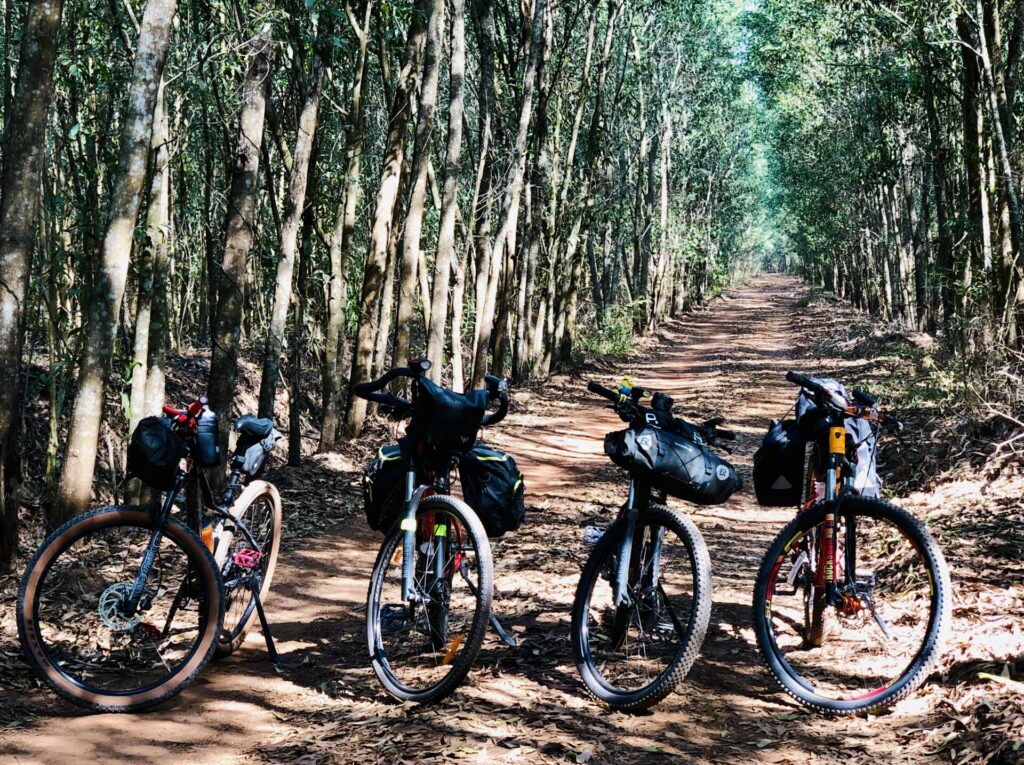
The Complete Evaluation Guide: What to Look For, What to Avoid, and How to Pick the Right Fit. Your tour operator shapes nearly every part of your Vietnam cycling trip. This guide covers how to choose well.
Why We Wrote Down Every Step of Our Tours, and Why We’re Giving It Away

Standard Operating Procedures matter on a cycling tour because so much of what keeps people safe and the trip running well happens in the gap between “guide makes a judgment call” and “guide follows a tested process.” Heat exhaustion, a mechanical failure, a busy intersection: these go better when the response is rehearsed rather than improvised in the moment. We’re sharing it because transparency is part of how we want to earn trust. Consider it free to copy, adapt, and put into practice.
How Your Cycling Guide Keeps You Safe Without You Noticing
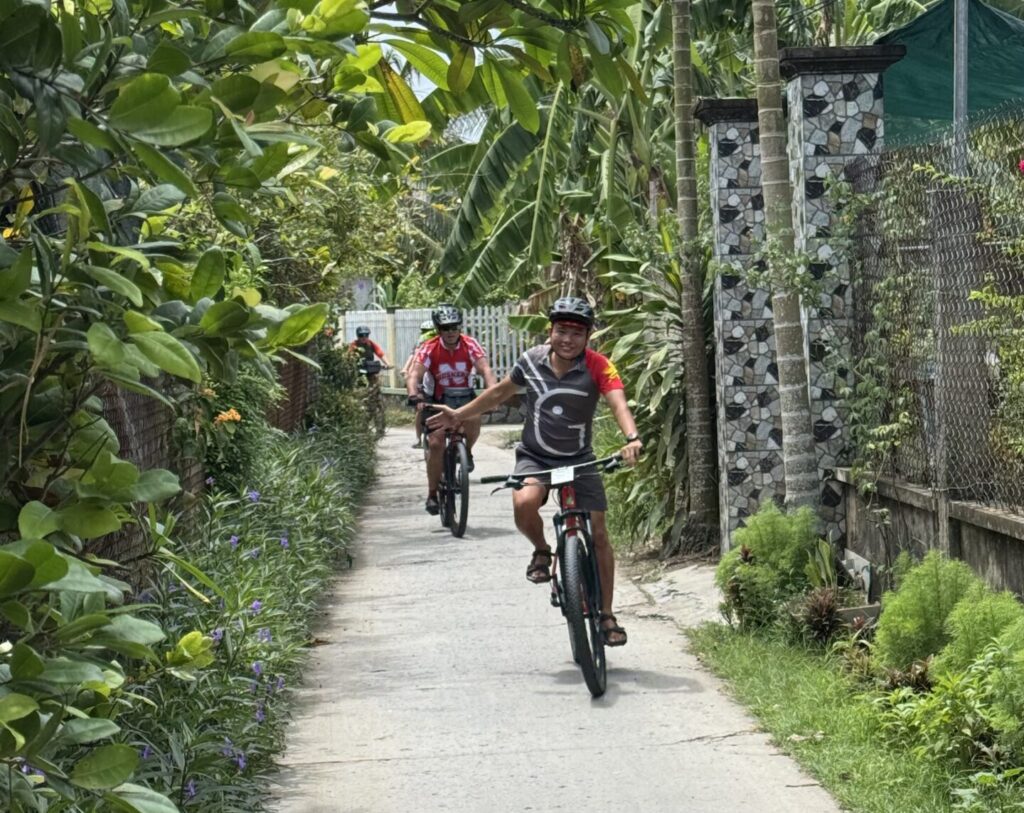
Halfway up Hai Van Pass, a 58-year-old accountant from Melbourne starts showing signs that something’s wrong.
She’s flushed, but it’s hot—everyone’s flushed. Her cadence has dropped, but it’s a climb—everyone slows down. What the guide notices is subtler: her hands keep drifting to her temples. She’s swaying slightly on the bike.
The guide doesn’t announce anything. He doesn’t make a scene. He just rides up beside her and says, “Beautiful spot for a photo break, yeah? Let’s pull over.”
Within three minutes, she’s in the air-conditioned support van with ice water and a wet towel on her neck. Within thirty minutes, her core temperature has dropped, her headache is fading, and she’s annoyed at herself for “not being tough enough.”
The Stories We’re Trained to Tell: How Guides Bring Vietnam to Life
At kilometer 32, approaching a weathered stone bridge over a narrow stream, your guide slows the group and begins to speak.
“This bridge was built in 1847 by a merchant who lost his wife crossing the river during monsoon. He spent his fortune constructing it so no other family would suffer the same loss. The village still celebrates his memorial day each spring.”
You look at the bridge differently now. It’s not just old stone. It’s love made permanent. Grief transformed into service. A story you’ll remember when the specific kilometers blur together.
Why Your Guide Wakes Up at 6 AM (And 12 Other Things Happening Behind the Scenes)

Your alarm goes off at 7:00 AM. You stumble to the hotel breakfast buffet, fill a plate with fruit and eggs, drink coffee that’s stronger than you expected.
Your guide is already there, smiling, chatting with other riders, seemingly as fresh as the morning. You assume they’re a morning person.
They’re not. They’ve already been working for an hour.
The best cycling tours feel effortless—like everything just works. Bikes are ready. Routes are clear. Problems get solved before you notice them. This isn’t luck. It’s choreography. And most of it happens while you’re still sleeping, eating, or gazing at the view.
The Art of Pace Management: How Good Guides Keep Groups Together Without Holding Anyone Back
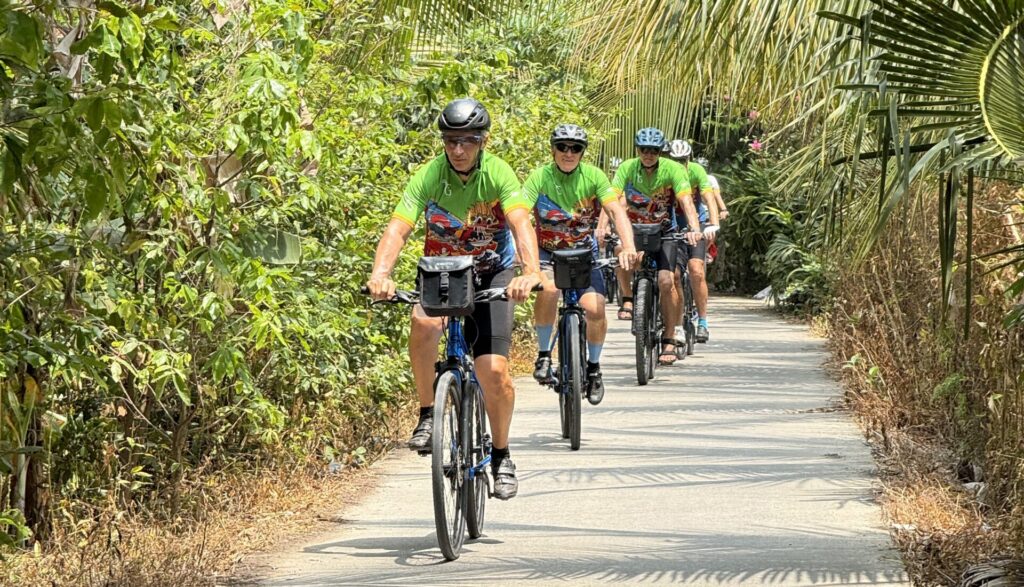
On day three of a Vietnam cycling tour, I watched a guide perform a small miracle.
The group had a problem. A 42-year-old investment banker from Singapore—let’s call him David—was significantly faster than everyone else. A 67-year-old retired teacher from Canada—let’s call her Margaret—was significantly slower. The gap between them on any given climb was growing to 15-20 minutes.
David was getting bored waiting at rest stops. Margaret was feeling guilty for “holding everyone up.” The middle of the group was caught in an awkward limbo, unsure whether to push ahead or hang back. The tour was fracturing.
What Happens Before You Arrive: The 60-Day Countdown to Your Vietnam Cycling Tour
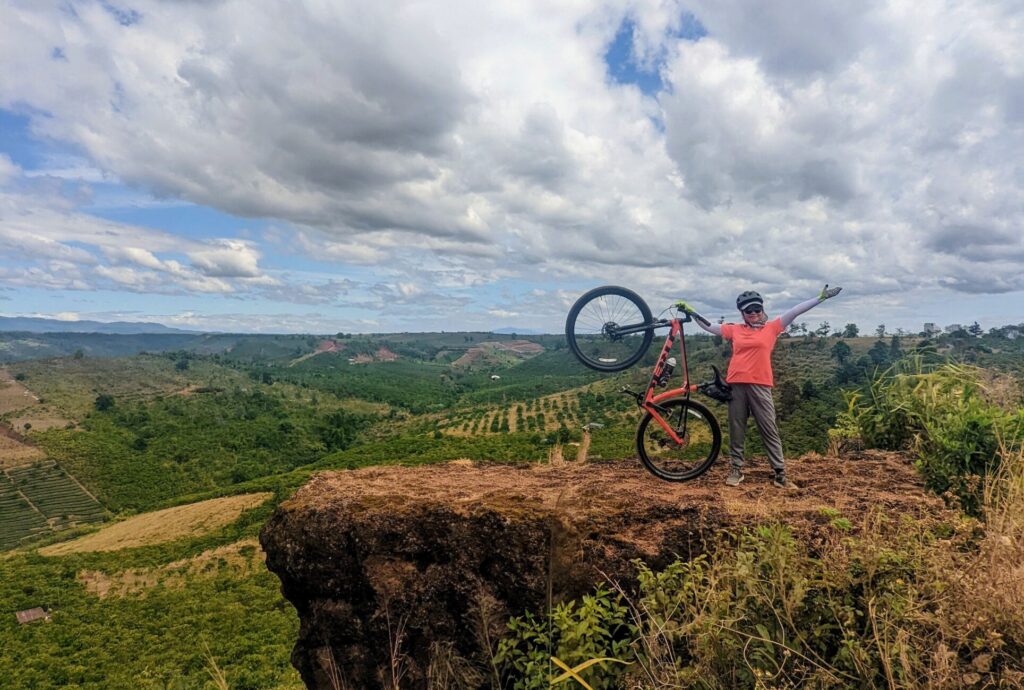
You land in Hanoi at 6 AM, bleary-eyed and buzzing with nervous energy. By 9 AM, you’re sitting on a perfectly fitted bicycle. By 10 AM, you’re navigating through a river of motorbikes, somehow not dying. By noon, you’re climbing through rice terraces so beautiful they make your chest hurt.
It feels like magic. Like the bike just appeared. Like the route just materialized. Like someone waved a wand and suddenly everything just works.
A Day in the Life of a Vietnam Cycling Guide

From 6 AM huddle to 9 PM bike maintenance—what it actually takes to make your adventure feel effortless
What Our Guides Carry (And Why)

I asked a Vietnam cycling guide to empty his pockets.
We were at a rest stop on day three of a tour. Riders were taking photos, stretching, using the bathroom. The guide—Duc, 34, eight years’ experience—laughed at the request but obliged.
From his jersey pockets alone: two energy bars, a tube of sunscreen, a laminated route card, a compact multi-tool, a mobile phone with local SIM, a radio, a small tube of chamois cream, and about 500,000 Vietnamese dong in small bills.
“That’s just what I carry on my body,” he said. “Want to see the saddle bag? The support vehicle?”
What followed was an education in what it actually takes to keep a cycling tour running safely through a country where the nearest hospital might be an hour away and the nearest bike shop might not exist at all. Here’s the complete inventory—and why each item matters.
Why Cycling Guides Train for Emergencies They Hope Never Happen
It’s 7 PM on a Tuesday in February, three weeks before tour season begins. In a parking lot behind a hotel in Da Nang, six people are pretending someone is dying.
One guide lies on the ground, motionless. Another kneels beside him, checking airway, breathing, circulation. A third is on the radio, calling for the support vehicle. A fourth is directing imaginary traffic away from the scene.
“Pulse is weak and rapid,” the kneeling guide announces. “Skin is hot and dry. Confusion before he lost consciousness. This is heat stroke.”
A operations manager watches from the side, clipboard in hand, stopwatch running. She’s timing the response. She’s noting the sequence of actions. Later, there will be feedback.
This is emergency scenario training—and every guide does it annually, before they’re cleared to lead tours.
They hope they’ll never need any of it. They practice anyway.