
What We Tell Riders to Do Before They Show Up
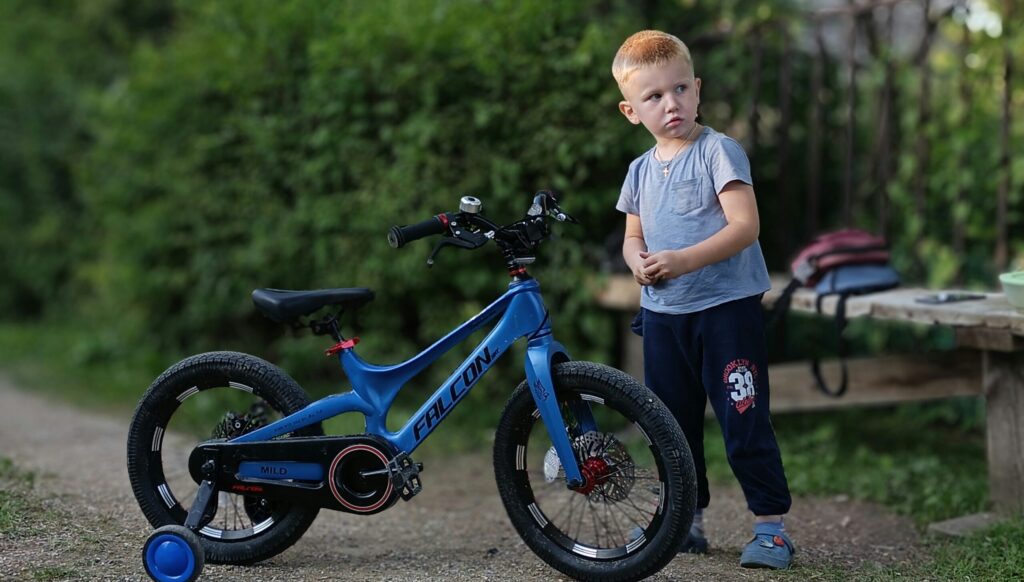
We give this guide to every rider who books a Vietnam cycling tour with us, whether they’re training 16 weeks out or signing up with four weeks left. It covers route-specific demands, heat acclimatization, nutrition, equipment break-in, and what to do mentally on the harder days, all built from what’s actually worked for past riders rather than generic cycling advice.
The 8-Week Crash Course: Last-Minute Training for Your Vietnam Cycling Tour
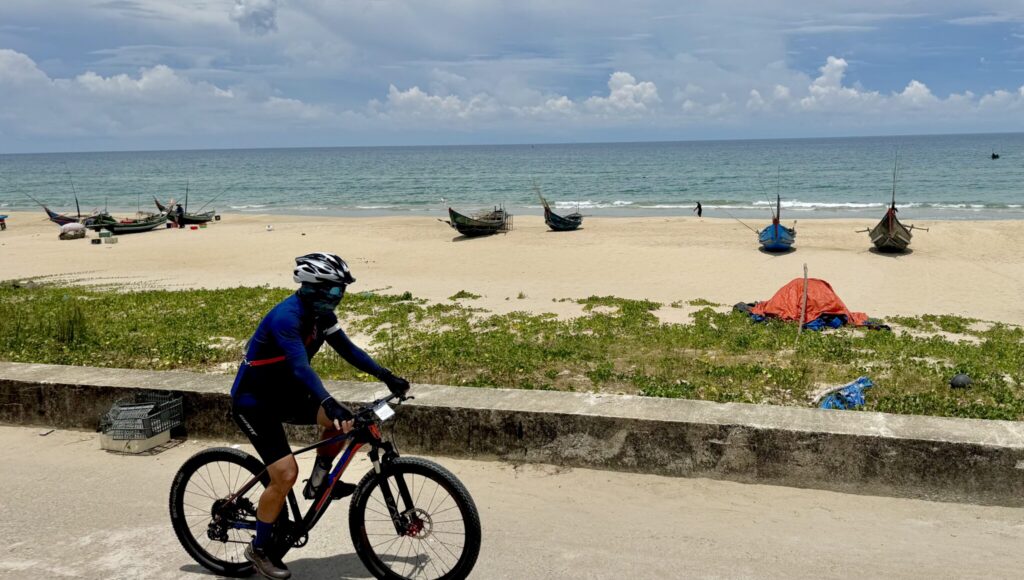
You booked the tour. The excitement was immediate. Then you looked at the calendar.
Eight weeks. You have eight weeks to prepare for a cycling tour that recommends 12-16 weeks of training.
Deep breath. It’s not ideal, but it’s not a disaster. Eight weeks is enough to get meaningfully prepared—if you train smart, stay consistent, and have realistic expectations.
This plan assumes you’re currently somewhat active—you exercise semi-regularly, maybe ride occasionally, but you’re not a trained cyclist. If you’re starting from complete inactivity, see the modified approach at the end.
Let’s get you ready.
Cycling Vietnam at 60+: Age Is Just a Number (But Preparation Is Everything)
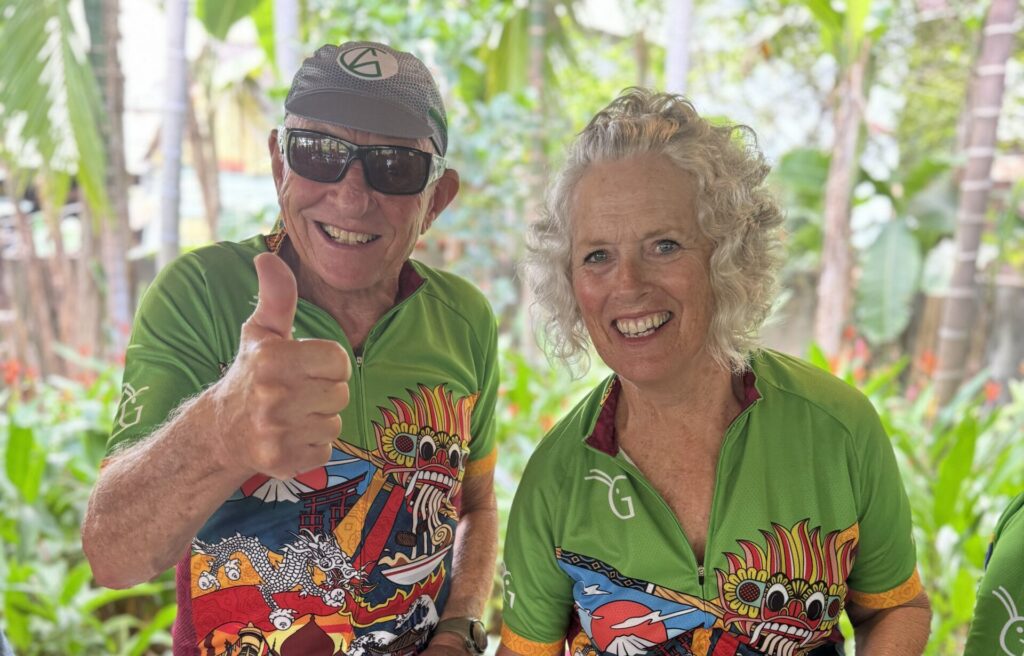
What older riders actually experience—and why many say it was the best trip of their lives.
Heat Exhaustion on Hai Van Pass: How They Spot It Before You Do
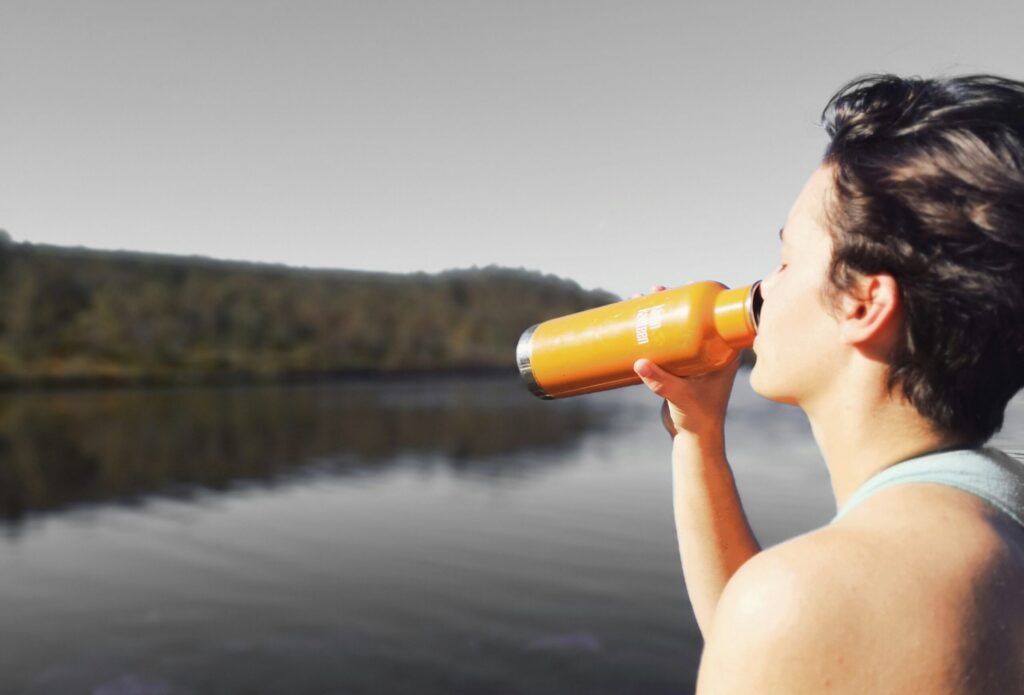
The human body is remarkably bad at monitoring itself under heat stress.
This isn’t weakness. It’s physiology. When your core temperature rises, your brain gets busy managing the crisis—diverting blood to the skin for cooling, triggering sweat response, maintaining critical organ function. Self-awareness drops down the priority list. By the time you feel like you’re overheating, you’ve often been overheating for twenty minutes.
In a Vietnamese cycling context, those twenty minutes could be the difference between “let’s cool you down” and “let’s call an ambulance.”
Heat Training at Home: How to Prepare for Tropical Cycling When You Live in a Cold Climate
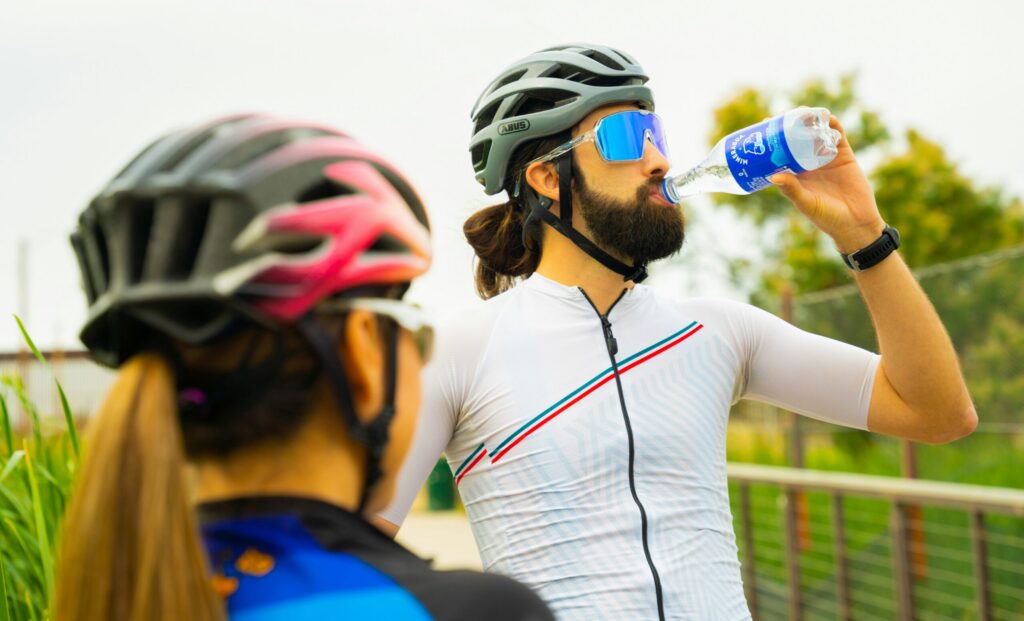
It’s February in Minnesota. Outside, it’s -12°C. Snow covers everything. You haven’t felt truly warm in three months.
In six weeks, you’ll be cycling through Vietnam in 32°C heat with 80% humidity.
How do you prepare for tropical conditions when you can’t actually experience tropical conditions? How do you teach your body to handle heat it hasn’t felt?
This is one of the most common challenges for Vietnam cycling tourists from temperate and cold climates. You can train your legs at home, but training your thermoregulatory system is trickier.
The good news: heat adaptation is real, achievable, and doesn’t require moving to the tropics. Here’s exactly how to do it.
Post-Adventure Blues Are Real: How to Process Your Vietnam Cycling Experience
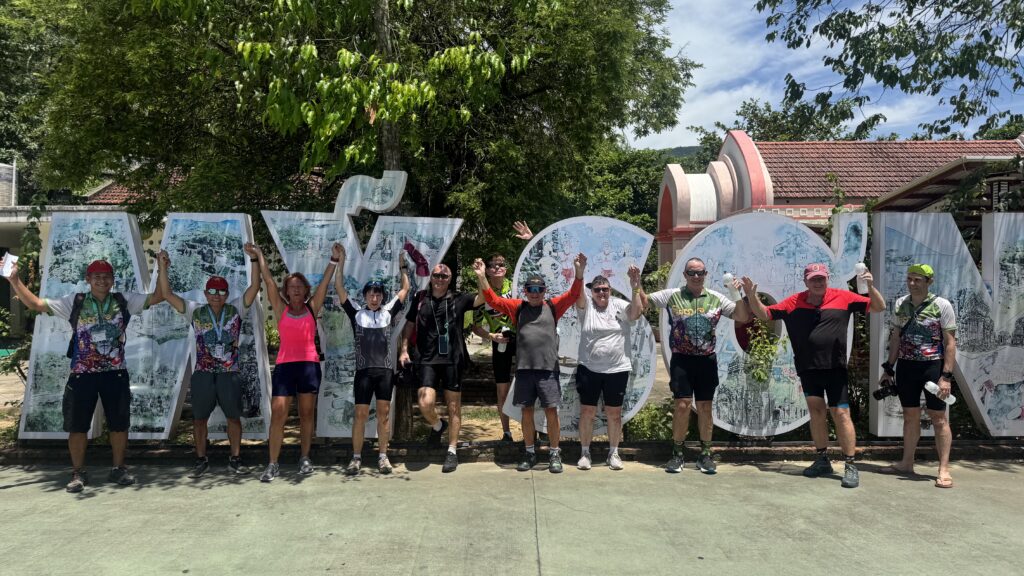
You’re home. The laundry is done. The photos are uploaded. You’ve told the highlights to everyone who asked (and some who didn’t).
And now, three days or three weeks after landing, something unexpected arrives: a hollow feeling. A restlessness. A sense of “now what?” that you didn’t anticipate.
Welcome to post-adventure blues. They’re real. They’re normal. But many people are surprised by them nonetheless.
Two weeks ago, every day had purpose. Wake up, eat, ride, experience, connect, achieve, sleep. Your senses were saturated. Your body was working. You were present in a way that normal life rarely allows.
Now you’re back to meetings and commutes and the same routines you left. The contrast is jarring. The meaning you felt seems to have evaporated. The adventure is over, and regular life feels… inadequate somehow.