
What We Tell Riders to Do Before They Show Up

We give this guide to every rider who books a Vietnam cycling tour with us, whether they’re training 16 weeks out or signing up with four weeks left. It covers route-specific demands, heat acclimatization, nutrition, equipment break-in, and what to do mentally on the harder days, all built from what’s actually worked for past riders rather than generic cycling advice.
Solo Female Cyclists in Vietnam: Safety, Community, and Empowerment
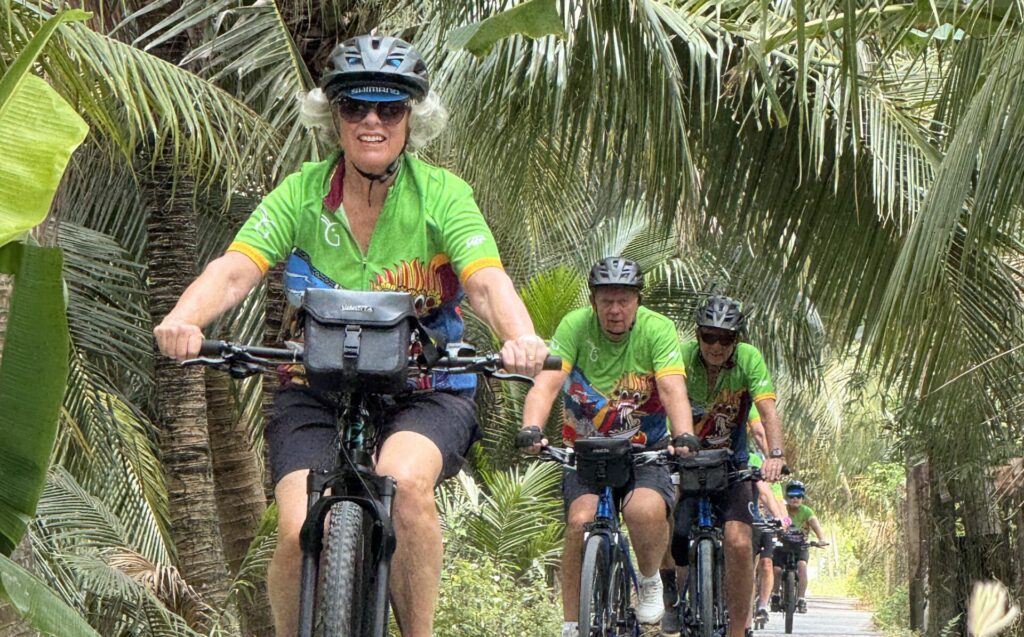
The question arrives in tour operator inboxes regularly, always with a slight edge of anxiety:
“I’m a woman traveling alone. Is Vietnam safe for me?”
Behind the question are legitimate concerns. Solo female travelers face risks that solo male travelers often don’t consider. The stories of harassment, assault, and danger in certain destinations create reasonable caution. Nobody wants to be naive.
But here’s what the data, the experience, and the women who’ve done it consistently show: Vietnam is one of the safest destinations in Asia for solo female travelers. And cycling tours, specifically, create conditions that make it even safer.
This isn’t a naive reassurance or marketing spin. It’s the reality, backed by reasons worth understanding.
The Feedback Loop: How Past Riders Shape Your Future Tour
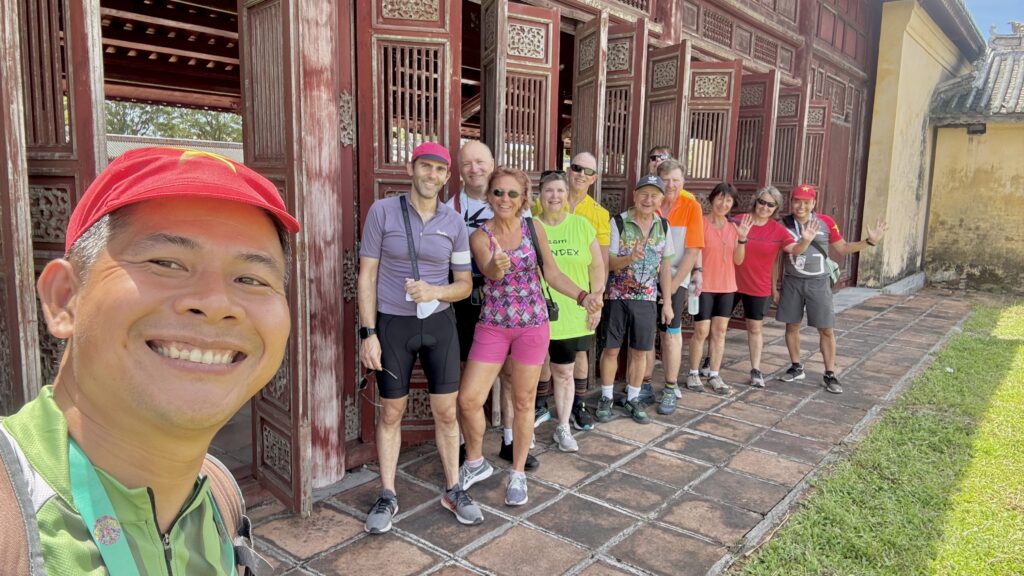
Somewhere around kilometer 45 of your Vietnam cycling tour, you’ll stop at a restaurant you’ve never heard of in a town you can’t pronounce. The food will be perfect—exactly what you needed, exactly when you needed it. The bathroom will be clean. The staff will know you’re coming and have cold drinks waiting.
You might think this is luck, or good guidebook research, or your tour operator’s natural brilliance.
It’s not. It’s Sarah from Colorado, who rode this route eighteen months ago and mentioned in her feedback survey that the original lunch stop had terrible bathrooms and slow service. It’s the couple from London who noted that the portion sizes were too small for hungry cyclists. It’s the solo rider from Australia who suggested the restaurant across the street, which he’d wandered into on a rest day.
Bike Fit Matters: How to Arrive Comfortable and Leave Without Injury
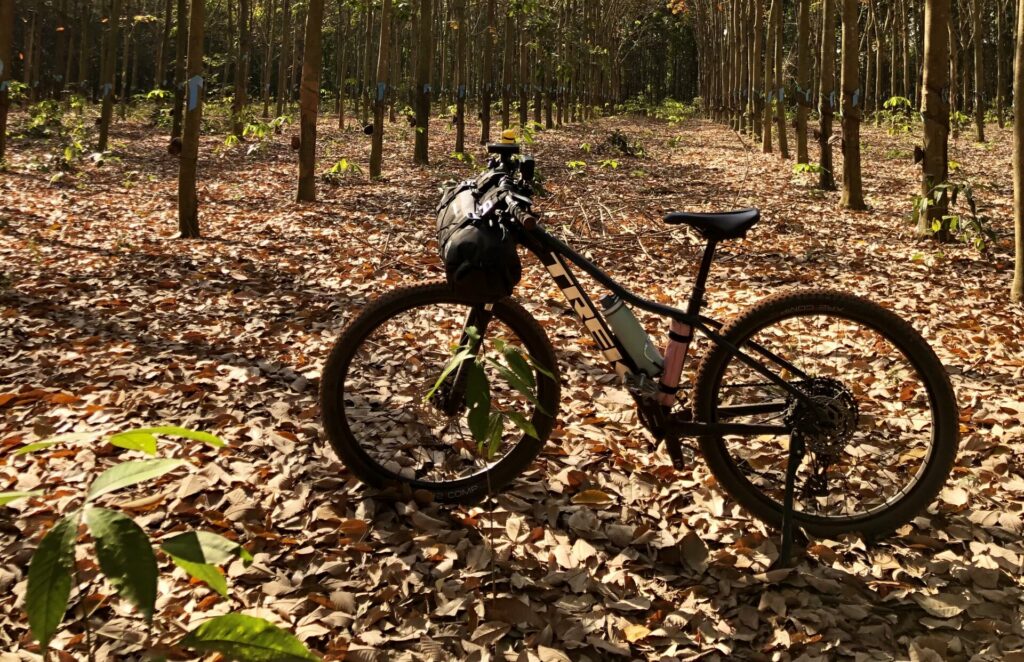
Three days into a Vietnam cycling tour, a rider—let’s call him David—starts feeling a twinge in his left knee. By day five, the twinge is a persistent ache. By day seven, he’s riding in the support vehicle, watching his tour pass by through a window.
The culprit wasn’t the climbing. It wasn’t the heat. It wasn’t his fitness level.
It was his saddle height—3 centimeters too low. For seven days, every pedal stroke ground his kneecap against cartilage that wasn’t designed for that angle of force. By the time the pain became undeniable, the damage was done.
The Mekong Delta by Bike: Why Flat Doesn’t Mean Boring
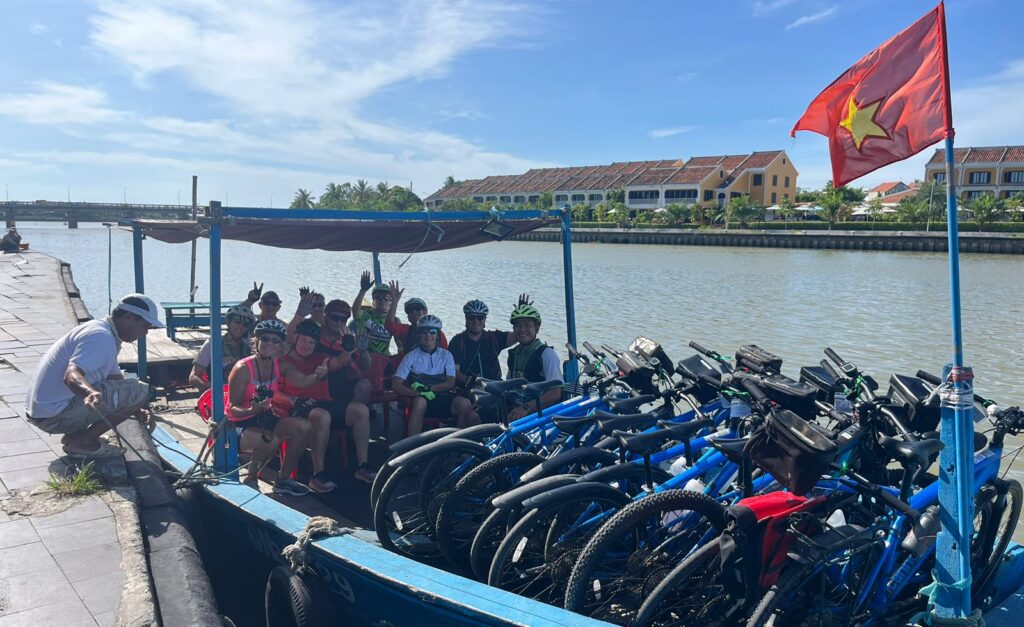
When people picture Vietnam cycling, they imagine mountain passes. Hai Van, with its dramatic coastal views. Ha Giang, with its terrifying drops and ethnic minority villages. The central highlands, climbing from sea level to 1,500 meters.
Nobody pictures flat.
And that’s a shame, because the Mekong Delta—Vietnam’s river country, where the land rises barely above sea level and the elevation gain for an entire day might be 50 meters—offers something the mountain routes can’t.
Not easier. Different.
Beyond the Bike: 10 Cultural Experiences That Make Vietnam Cycling Unforgettable

Ask someone about their Vietnam cycling tour six months later, and something interesting happens. They’ll mention Hai Van Pass, sure. They’ll talk about the mountains and the heat and the sense of accomplishment. But then their eyes will get a certain look, and they’ll say something that reveals that the cycling is just the vehicle, but the real destination are the cultural experiences. Here are ten moments that transform a bike tour into something that stays with you forever.