
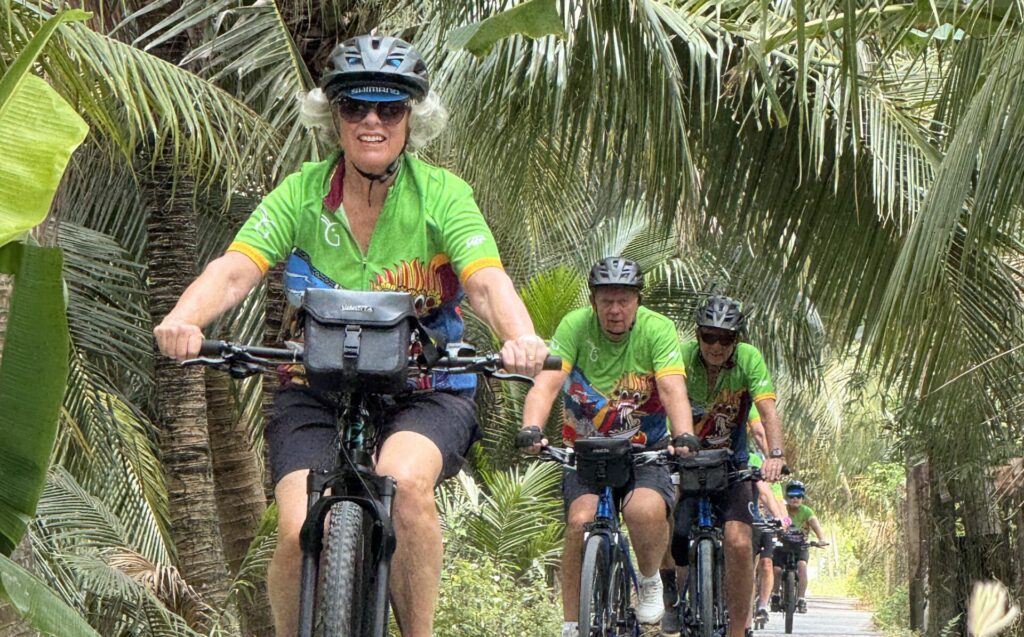
“I’m a woman traveling alone. Is Vietnam safe for me?” is one of the most common questions tour operators get, usually with some real anxiety behind it. Solo female travelers reasonably weigh risks that solo male travelers often don’t have to think about as much, and it’s worth taking the question seriously rather than offering blanket reassurance.
The Safety Picture
Vietnamese society has a few characteristics worth knowing about as context. Women hold real practical authority within families and communities — grandmothers are frequently the decision-makers, and women commonly run businesses and households — which tends to translate into a default assumption of competence and autonomy extended to foreign women as well. Violent crime rates in Vietnam are low by international comparison; petty theft (bag snatching, pickpocketing in tourist areas) exists, but violent assault is uncommon. The aggressive, threatening street harassment found in some destinations is also relatively rare; persistent vendors and curious stares are far more typical than anything physically intimidating. And Vietnam’s tourism industry is mature enough that inappropriate behavior from guides or staff carries real professional consequences, which creates a practical incentive toward respectful treatment of all clients, including women traveling alone.
Why Cycling Tours Specifically Work Well for Solo Women
A few structural features of guided cycling tours amplify Vietnam’s general safety baseline.
Built-in community. Booking solo doesn’t mean traveling alone once the tour starts. Within a day or two, there are riding companions, dinner partners, and people who’ll notice if someone’s missing from breakfast — the isolation that makes solo travel riskier in other contexts mostly disappears once the group forms.
Constant professional presence. A lead guide, sweep guide, and support vehicle are all part of every riding day, providing both practical support and a steady professional presence. Guides also act as a cultural buffer, navigating interactions that might otherwise feel uncomfortable and signaling, simply by being there, that the group is part of an established operation.
Vetted accommodations. Tour operators generally have ongoing relationships with hotels and homestays rather than booking blind, and any issue with a guest’s experience has real consequences for that relationship — which gives accommodations a practical incentive to handle problems seriously if they arise.
A structured daily rhythm. Cycling tour days are built around riding, meals, and sleep, which naturally limits exposure to the situations — wandering alone late at night, unfamiliar bars, unfamiliar neighborhoods after dark — where solo travelers generally face the most risk.
Practical Considerations
Choosing an operator. It’s worth asking whether female guides are available for your dates, since some women appreciate having that option even if it’s not essential. Search reviews specifically for mentions of solo female experience, and ask direct safety questions of the operator — a detailed, thoughtful answer is a better sign than either dismissiveness or generic reassurance.
Room assignments. Policies vary by operator: some pair solo travelers of the same gender to split costs, some require a single supplement for a private room, and some offer a choice between the two. Clarify this before booking; both options are reasonable depending on what you’d prefer.
Clothing. Standard cycling kit is fine everywhere while riding. Off the bike, rural areas and temples generally call for more modest dress (shoulders and knees covered), cities are fairly relaxed, and homestays call for modest sleepwear since you’re a guest in someone’s home.
If something feels wrong. Trust your instincts and tell your guide immediately — they’re trained to handle these situations and have the local knowledge and language to intervene. Small concerns mentioned early tend to stay small; document anything serious while it’s fresh, in case follow-up is needed.
Beyond Safety
Solo women who complete Vietnam cycling tours often describe gains that go beyond simply not having had a bad experience. Physical accomplishments like summiting Hai Van Pass or finishing 80 kilometers under tropical heat tend to shift how people see their own capability, especially for anyone who arrived doubting whether they could do it. A guided cycling tour can also be a low-risk entry point into solo travel more generally, since the support structures reduce risk while the experience still counts as something done independently — and that confidence often carries into other solo travel afterward.
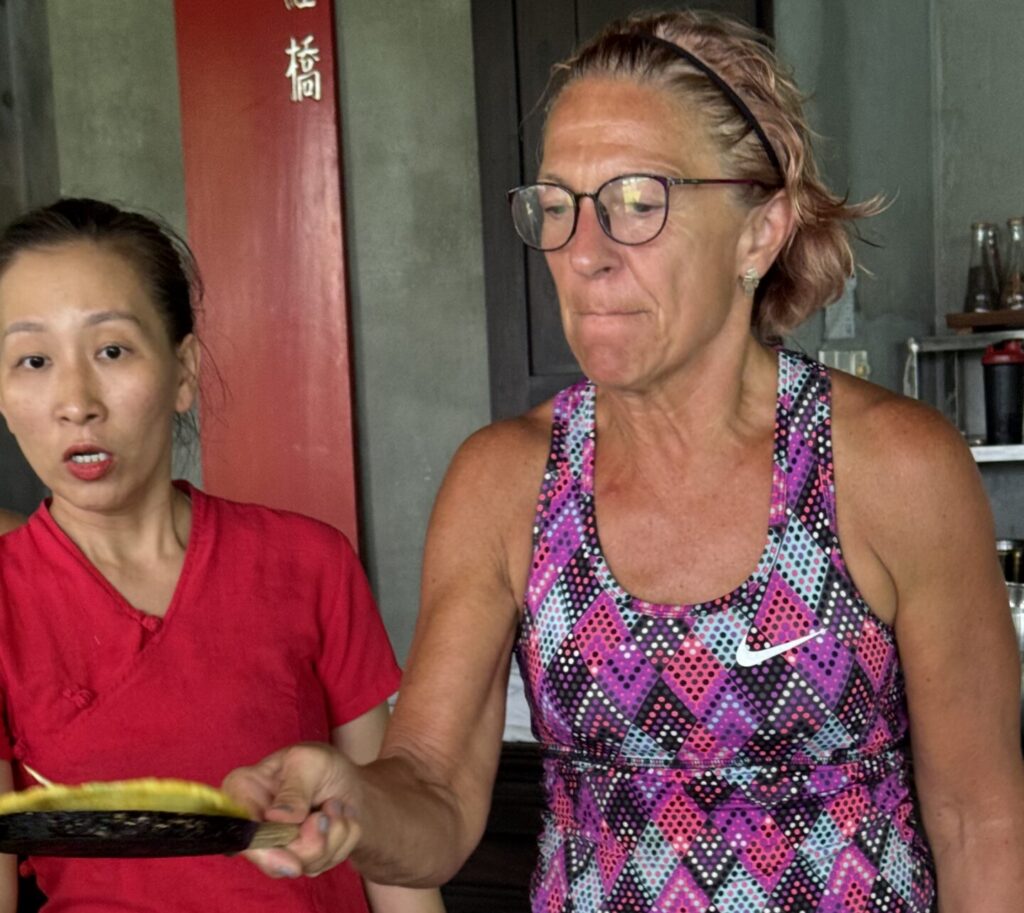
Connections with Vietnamese women specifically — at homestays, in markets, during cultural activities — are also commonly cited as a highlight, less because they’re unusual than because they tend to be unexpectedly genuine given how brief the interaction often is.
The Honest Answer
Nowhere is perfectly safe, and Vietnam is no exception. But between the country’s general safety profile and the structural features of a guided cycling tour specifically, the practical risk for a solo woman is considerably lower than the anxiety behind the original question usually assumes. The more useful question isn’t “is it safe,” but whether the actual risk, once you understand it, is one you’re comfortable taking on for what the trip offers in return.
