
A Day in the Life of a Vietnam Cycling Guide

From 6 AM huddle to 9 PM bike maintenance—what it actually takes to make your adventure feel effortless
What’s in the Support Van? A Complete Inventory
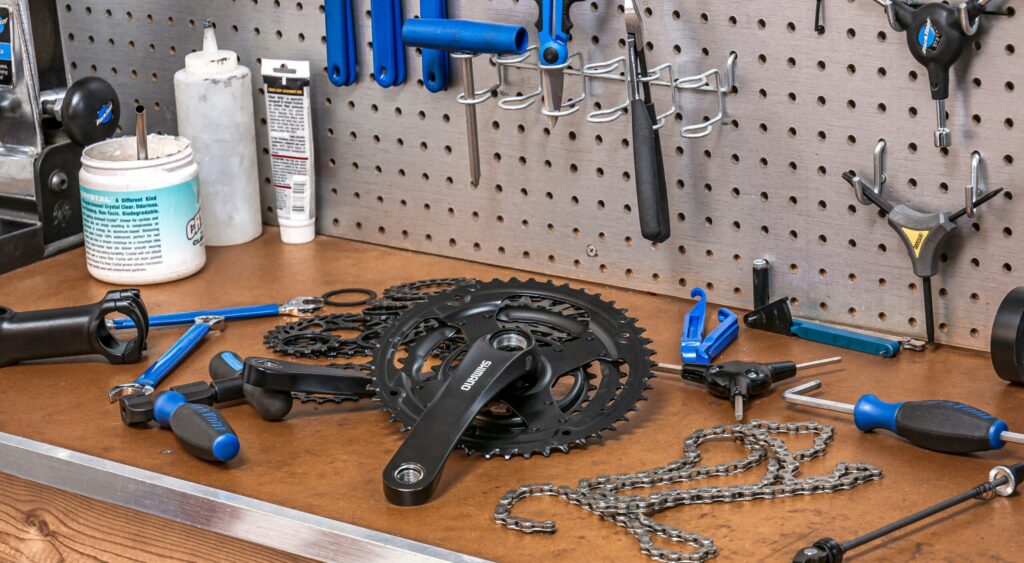
For most of your Vietnam cycling tour, the support van is a background presence. It’s somewhere behind you, hazard lights blinking, carrying your luggage and occasionally appearing at rest stops with cold water.
You probably don’t think much about it. That’s by design.
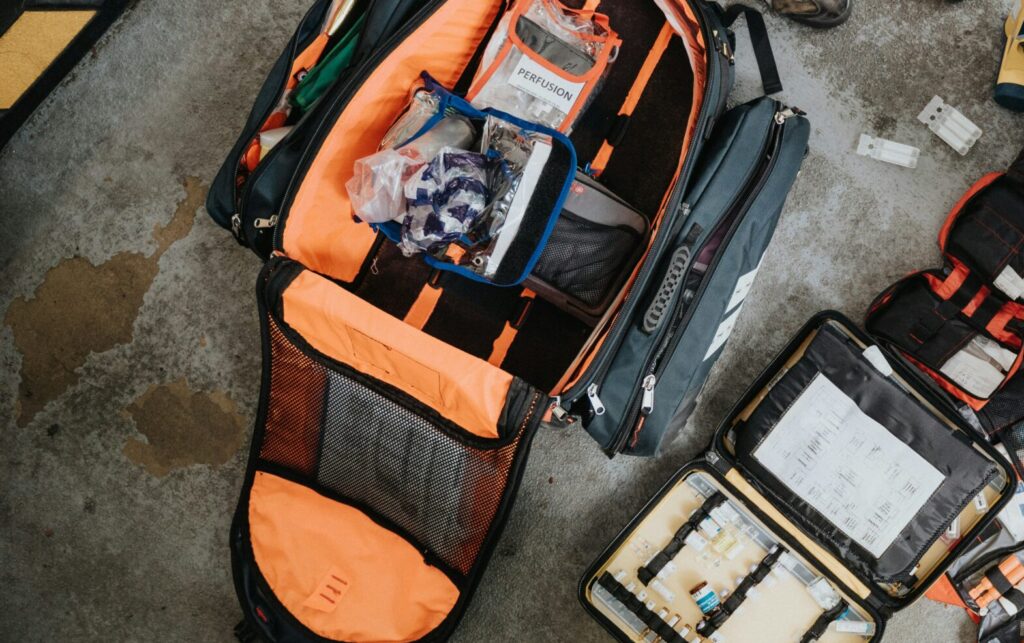
But that van is, in many ways, the most important vehicle on the tour. It’s a mobile repair shop, a climate-controlled recovery room, an emergency response station, and a backup transportation system. When something goes wrong—a mechanical failure, a medical issue, extreme weather—the van transforms from background to essential in seconds.
I spent a morning unpacking a support van with its driver, cataloging everything it carries. The inventory tells you a lot about what professional operators prepare for—and what they’re promising you, whether they say it explicitly or not.
What Our Guides Carry (And Why)

I asked a Vietnam cycling guide to empty his pockets.
We were at a rest stop on day three of a tour. Riders were taking photos, stretching, using the bathroom. The guide—Duc, 34, eight years’ experience—laughed at the request but obliged.
From his jersey pockets alone: two energy bars, a tube of sunscreen, a laminated route card, a compact multi-tool, a mobile phone with local SIM, a radio, a small tube of chamois cream, and about 500,000 Vietnamese dong in small bills.
“That’s just what I carry on my body,” he said. “Want to see the saddle bag? The support vehicle?”
What followed was an education in what it actually takes to keep a cycling tour running safely through a country where the nearest hospital might be an hour away and the nearest bike shop might not exist at all. Here’s the complete inventory—and why each item matters.
Why Cycling Guides Train for Emergencies They Hope Never Happen
It’s 7 PM on a Tuesday in February, three weeks before tour season begins. In a parking lot behind a hotel in Da Nang, six people are pretending someone is dying.
One guide lies on the ground, motionless. Another kneels beside him, checking airway, breathing, circulation. A third is on the radio, calling for the support vehicle. A fourth is directing imaginary traffic away from the scene.
“Pulse is weak and rapid,” the kneeling guide announces. “Skin is hot and dry. Confusion before he lost consciousness. This is heat stroke.”
A operations manager watches from the side, clipboard in hand, stopwatch running. She’s timing the response. She’s noting the sequence of actions. Later, there will be feedback.
This is emergency scenario training—and every guide does it annually, before they’re cleared to lead tours.
They hope they’ll never need any of it. They practice anyway.
What Happens When Something Goes Wrong
Nobody asks this question directly.
You’ll ask about the bikes. You’ll ask about the hotels. You’ll ask about the food and the daily distances and whether there’s WiFi. But the question underneath all those questions—the one that wakes you up at 2 AM after you’ve paid your deposit—is harder to articulate.