
Heat Training at Home: How to Prepare for Tropical Cycling When You Live in a Cold Climate
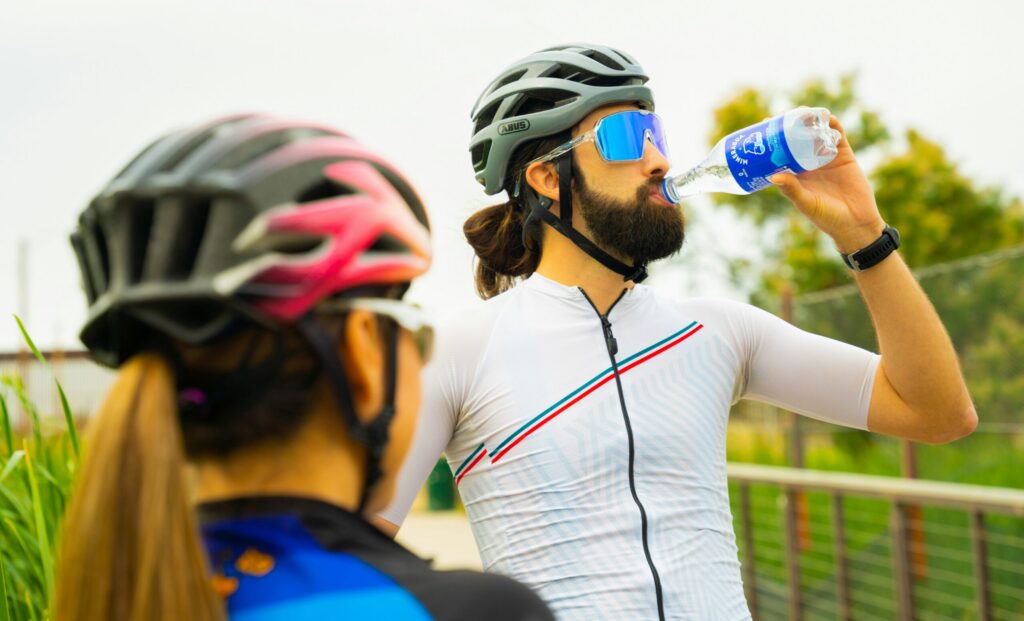
It’s February in Minnesota. Outside, it’s -12°C. Snow covers everything. You haven’t felt truly warm in three months.
In six weeks, you’ll be cycling through Vietnam in 32°C heat with 80% humidity.
How do you prepare for tropical conditions when you can’t actually experience tropical conditions? How do you teach your body to handle heat it hasn’t felt?
This is one of the most common challenges for Vietnam cycling tourists from temperate and cold climates. You can train your legs at home, but training your thermoregulatory system is trickier.
The good news: heat adaptation is real, achievable, and doesn’t require moving to the tropics. Here’s exactly how to do it.
A Day in the Life of a Vietnam Cycling Guide

From 6 AM huddle to 9 PM bike maintenance—what it actually takes to make your adventure feel effortless
What’s in the Support Van? A Complete Inventory
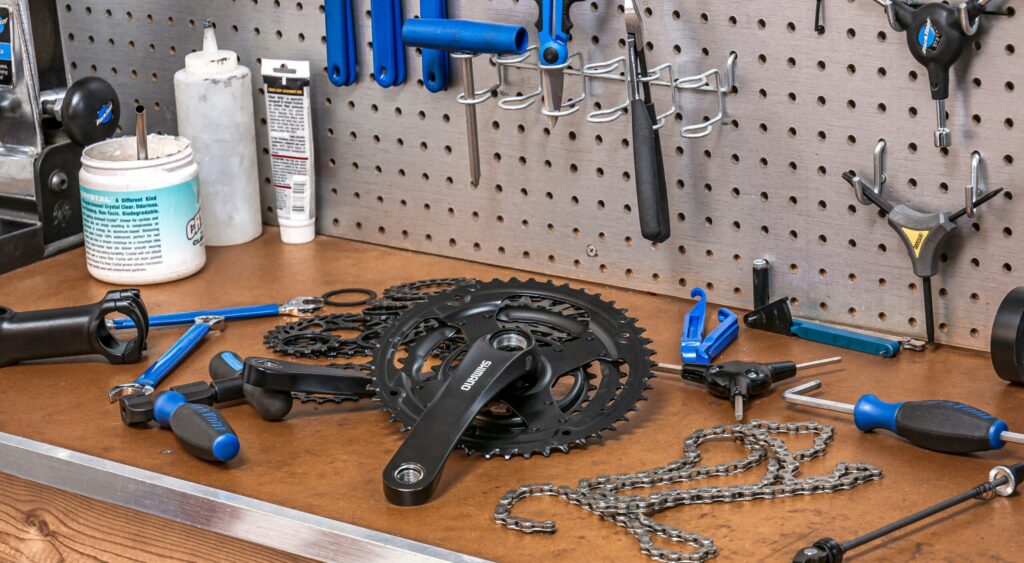
For most of your Vietnam cycling tour, the support van is a background presence. It’s somewhere behind you, hazard lights blinking, carrying your luggage and occasionally appearing at rest stops with cold water.
You probably don’t think much about it. That’s by design.
But that van is, in many ways, the most important vehicle on the tour. It’s a mobile repair shop, a climate-controlled recovery room, an emergency response station, and a backup transportation system. When something goes wrong—a mechanical failure, a medical issue, extreme weather—the van transforms from background to essential in seconds.
I spent a morning unpacking a support van with its driver, cataloging everything it carries. The inventory tells you a lot about what professional operators prepare for—and what they’re promising you, whether they say it explicitly or not.
Post-Adventure Blues Are Real: How to Process Your Vietnam Cycling Experience
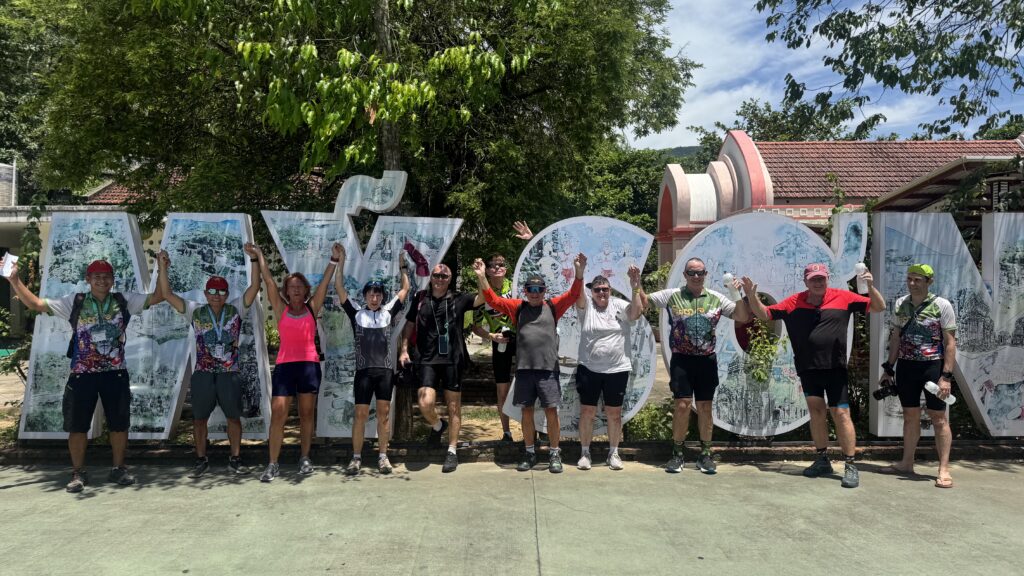
You’re home. The laundry is done. The photos are uploaded. You’ve told the highlights to everyone who asked (and some who didn’t).
And now, three days or three weeks after landing, something unexpected arrives: a hollow feeling. A restlessness. A sense of “now what?” that you didn’t anticipate.
Welcome to post-adventure blues. They’re real. They’re normal. But many people are surprised by them nonetheless.
Two weeks ago, every day had purpose. Wake up, eat, ride, experience, connect, achieve, sleep. Your senses were saturated. Your body was working. You were present in a way that normal life rarely allows.
Now you’re back to meetings and commutes and the same routines you left. The contrast is jarring. The meaning you felt seems to have evaporated. The adventure is over, and regular life feels… inadequate somehow.
What Our Guides Carry (And Why)

I asked a Vietnam cycling guide to empty his pockets.
We were at a rest stop on day three of a tour. Riders were taking photos, stretching, using the bathroom. The guide—Duc, 34, eight years’ experience—laughed at the request but obliged.
From his jersey pockets alone: two energy bars, a tube of sunscreen, a laminated route card, a compact multi-tool, a mobile phone with local SIM, a radio, a small tube of chamois cream, and about 500,000 Vietnamese dong in small bills.
“That’s just what I carry on my body,” he said. “Want to see the saddle bag? The support vehicle?”
What followed was an education in what it actually takes to keep a cycling tour running safely through a country where the nearest hospital might be an hour away and the nearest bike shop might not exist at all. Here’s the complete inventory—and why each item matters.
Why Vietnam Is the World’s Best Cycling Destination You’ve Never Considered

How a country most travelers overlook for cycling became the gold standard for transformative two-wheeled adventures
When cyclists tell their friends they’re spending two weeks cycling through Vietnam, the response is usually: “Why Vietnam? Why not Italy? Or New Zealand?”
Standing at the summit of Hai Van Pass, with mountains plunging into the South China Sea, answers that question. Vietnam isn’t competing with Tuscany’s hills or the Southern Alps.
Why Good Operators Limit Group Size to 12 (Even Though Bigger Groups Are More Profitable)
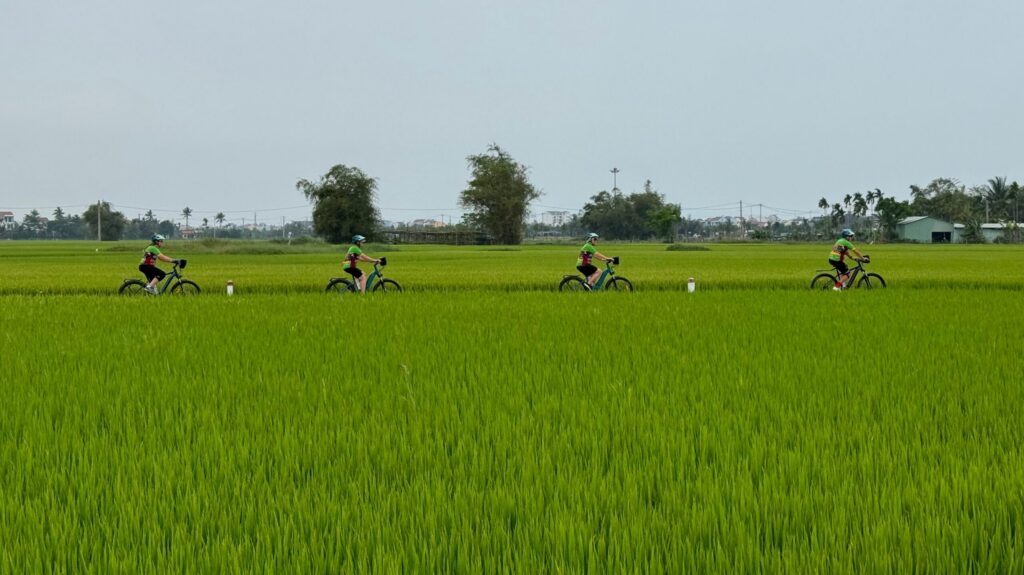
Here’s a business reality that most tour operators won’t explain to you:
A 20-person cycling tour is significantly more profitable than a 10-person tour. Not twice as profitable—more than twice as profitable. The math is brutal and obvious.
Fixed costs stay roughly the same: one lead guide, one support vehicle, one route, one set of hotel bookings to manage. Variable costs increase only marginally—a few more lunches, slightly larger room blocks. But revenue doubles.
So when you see an operator capping groups at 10-12 riders instead of 20-24, you’re watching them leave money on the table. Deliberately. Repeatedly. Tour after tour.
Why would anyone do that?
Why Cycling Guides Train for Emergencies They Hope Never Happen
It’s 7 PM on a Tuesday in February, three weeks before tour season begins. In a parking lot behind a hotel in Da Nang, six people are pretending someone is dying.
One guide lies on the ground, motionless. Another kneels beside him, checking airway, breathing, circulation. A third is on the radio, calling for the support vehicle. A fourth is directing imaginary traffic away from the scene.
“Pulse is weak and rapid,” the kneeling guide announces. “Skin is hot and dry. Confusion before he lost consciousness. This is heat stroke.”
A operations manager watches from the side, clipboard in hand, stopwatch running. She’s timing the response. She’s noting the sequence of actions. Later, there will be feedback.
This is emergency scenario training—and every guide does it annually, before they’re cleared to lead tours.
They hope they’ll never need any of it. They practice anyway.
The True Cost of a Vietnam Cycling Tour: Budget Breakdown from Flights to Tips

“How much does a Vietnam cycling tour cost?”
It’s the most common question, and the most frustrating to answer, because the real answer is: it depends on a dozen variables, and the tour price is only part of the total.
Tour operators quote their prices clearly. What they can’t tell you is what you’ll spend on flights, visas, insurance, meals not included, tips, souvenirs, and pre/post-tour days. These add up to 40-60% of your total trip cost.
This is the complete breakdown—three scenarios at different budget levels, with nothing hidden and nothing optimistic.
Ha Giang vs. the Alps: Why Vietnam’s Toughest Route Rivals Europe’s Best Mountain Cycling

You’ve done the classics. Alpe d’Huez with its 21 hairpins. The Stelvio’s endless switchbacks. Mont Ventoux’s lunar summit. Maybe the Mortirolo, maybe the Angliru, maybe Sa Calobra on Mallorca.
You know what mountain cycling feels like in Europe. The suffering on perfect tarmac. The organized chaos of cyclists and support vehicles. The espressos at cafes with views of peaks you just surmounted.
And now someone is telling you that the best mountain cycling experience might be in northern Vietnam.
I know. It sounds improbable. But hear me out.